Rummy Comparison: Chasing One Card Versus Preserving Options
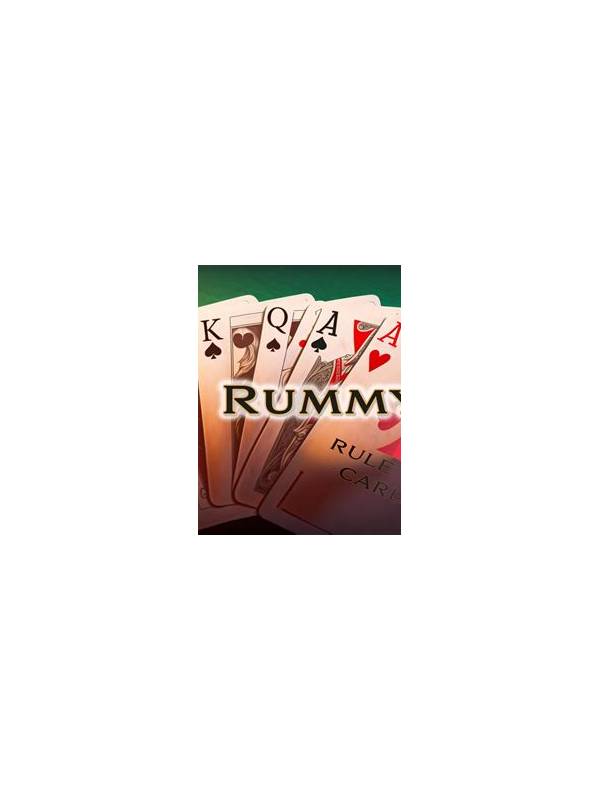
Chasing one specific card can make a rummy hand look close to completion. It can also leave you waiting on a narrow outcome while other cards become costly. Preserving options takes a different approach: keep cards that support several legal routes until evidence makes one route clearly better.
The one-card chase is strongest when the missing card has several copies, the resulting meld is important, and holding the surrounding cards does not create a large penalty. It may also be reasonable late in a hand when there is little time to build a broader plan. Even then, check whether the card is plausibly available and whether the completed meld would actually improve the hand.
Option preservation is stronger when the missing card is rare, already visible, or needed by several players. A connector that supports two sequences can be more useful than a pair waiting for one exact rank. The flexible choice may look less advanced, but it reduces the chance of being trapped after an unhelpful draw.
Compare the choices with a simple table: completion distance, number of useful future cards, penalty if missed, and quality of the backup. Do not count every theoretical card equally. A card that technically fits but forces you to keep another expensive card has lower practical value.
Set a release condition for a chase. For example, keep the holding until a specified number of turns or until the visible card situation changes, then reassess. This prevents hope from becoming an unspoken commitment. If the chase remains attractive after the check, continue deliberately; if not, release it without regret.
Review both successful and unsuccessful chases. A win does not prove that the narrow plan was sound, and a loss does not prove that it was foolish. Evaluate the information and alternatives available when you chose. Strong play balances moments of commitment with enough flexibility to recover when the single desired card does not arrive. Your choice may also depend on how much attention the hand can spare. A narrow chase often requires repeated checking, while a flexible plan may be easier to manage when tired. This does not replace card analysis, but it acknowledges that a plan you cannot monitor reliably has a practical cost. Choose a structure you can execute clearly.
If you choose the chase, say exactly what would make you stop. If you choose flexibility, say which card or pattern would justify commitment. Naming the condition turns a vague preference into a decision that can be reviewed later and adjusted without self-blame.
Related Post
Rummy FAQ: Why Does Hand Clarity Matter?
Clear grouping makes the available choices easier to see and reduces errors caused by hidden [...]
Rummy Safety: Set Spending and Time Limits Before Play
Practical boundaries can keep a recreational rummy session predictable and controlled. [...]