Rummy Guide: Use a Decision Window Before Each Draw
If the table has a strict time limit, practice the routine with a shorter version before joining. The aim is to make the order automatic, not to use extra time after every card. A compact routine can remain calm even when the interface is busy.
Fast play can make a hand feel like a sequence of isolated taps. A decision window creates a consistent moment before each draw and discard. It is not a demand to deliberate forever; it is a compact routine that keeps the important questions in view.
Before drawing, scan the current hand and identify the weakest card or group. This gives the next card a context. If you draw something useful, you know which plan it may improve. If you draw something neutral, you already have a candidate discard and are less likely to keep an extra card simply because it is new.
After drawing, place the card beside possible groups and check both sequence and set uses. Avoid rearranging the entire hand repeatedly. Ask whether the card creates a confirmed improvement, a promising experiment, or no meaningful change. These three categories are easier to act on than a long list of imagined combinations.
Before discarding, compare the new card with the weakest existing card. Consider future use, point cost, and what information the discard may give another player. If the new card is clearly better, release the old one. If both are uncertain, choose the card with fewer connections or the larger penalty, depending on the rules and stage of play.
End the window by checking the hand count and the next table action. A missed count or premature tap can undo good analysis. In digital play, allow the interface to finish updating before pressing another control. In a physical game, place the discard clearly so the table state is unambiguous.
The window should shorten as you gain practice. During training, you can name each category aloud. In a live game, a silent scan of a few seconds is enough. If the table moves faster than your routine, prioritize the hand count and rule requirement, then return to strategy on the next turn. Consistency matters more than theatrical speed: a small pause helps every draw become part of a plan.
The routine can be adapted for different formats. In a quick game, use one question for each stage: what is weakest, what improved, and what is safest to release? In a slower practice game, add a note about the discarded card and the reason for the choice. The underlying sequence remains the same, so the habit transfers even when the pace changes.
Related Post

Rummy Tips: Treat Uncertainty as a Limited Resource
A simple framework for deciding how many uncertain cards and plans your hand can safely [...]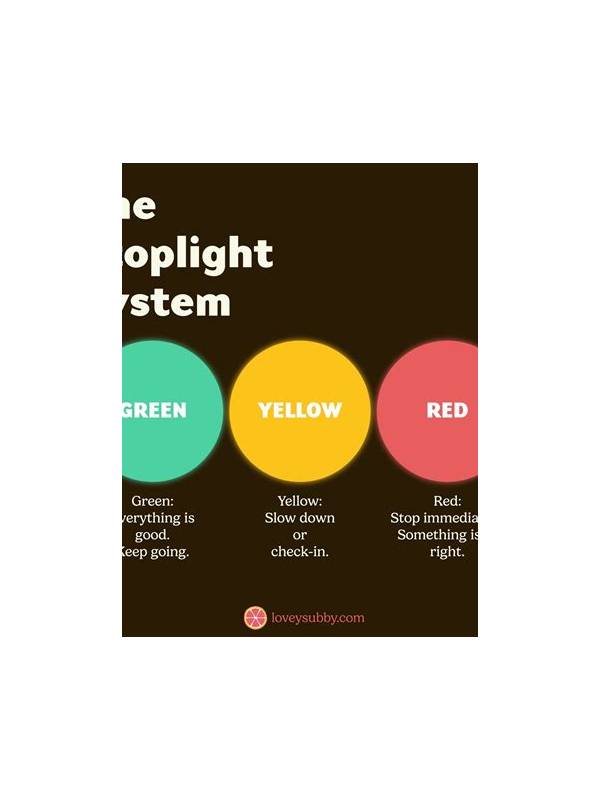
Rummy Tips: Use a Stoplight System for Hand Review
A red, yellow, and green review system offers a quick way to classify the condition [...]