Rummy Safety: Keep Personal Information Out of Table Chat
Protecting privacy also protects concentration. When chat becomes distracting, mute it and return to the hand. A player who has fewer interruptions is better able to notice rule prompts, table changes, and the moment when it is sensible to stop.
Table chat can make an online game feel social, but casual conversation can reveal more than intended. Keep personal information out of game messages and treat unfamiliar links, requests, and claims with caution. A pleasant table does not require access to your private identity or finances.
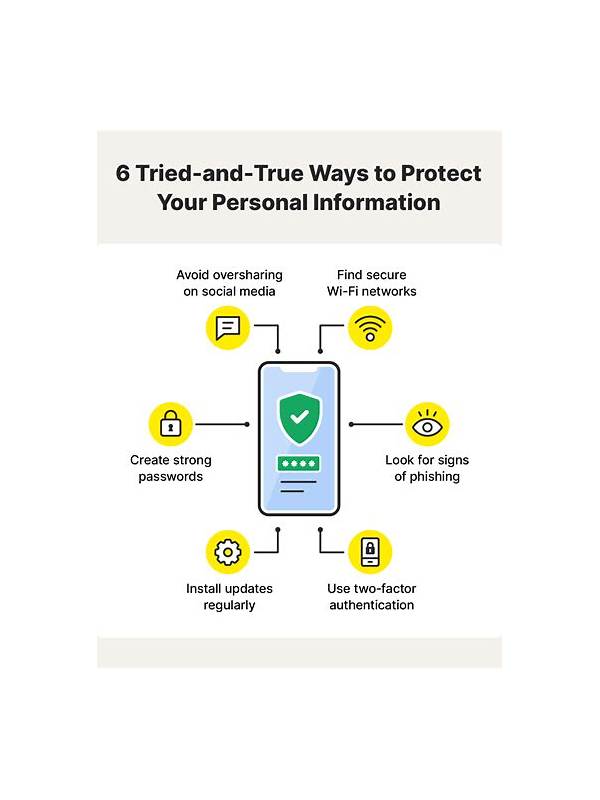
Avoid sharing your full name, address, phone number, email, workplace, travel plans, or payment details in chat. Do not post screenshots that include account identifiers, balances, transaction references, or notification previews. If a player asks for information unrelated to the game, you can decline without explanation and use the platform’s mute or report features when appropriate.
Be careful with links and downloads. A message that promises a special reward or asks you to install an unofficial tool may lead away from the platform’s normal safety controls. Open the service through its known application or bookmarked address, and check the platform’s policies rather than trusting a message from another player. Never share a password, one-time code, or recovery phrase in chat.
Use a neutral screen name and review your profile visibility. Disable public details that are not needed for play. On a shared device, sign out when finished and avoid saving payment information unless the device and account protections are appropriate. Keep your operating system and security software current.
Privacy also includes other players. Do not copy, publish, or forward chat messages or profile details without permission. If a dispute occurs, preserve the relevant evidence through the platform’s official process instead of escalating it publicly. Harassment, threats, or suspected fraud should be reported through the service and, where necessary, to appropriate local authorities.
These habits are small because privacy works best as a routine. Share only what the game requires, verify requests through official channels, and stop communicating when a conversation becomes pressuring. You can remain friendly at a table while keeping your personal life separate from the hand.
If a message appears to come from an administrator, verify it through the platform’s normal support route rather than replying with account details. Genuine support should not require a public password or private code. When in doubt, end the conversation, save the message if needed for a report, and continue only through a trusted channel. Calm verification is safer than trying to resolve a suspicious request inside the game.
Related Post

Rummy Practice: Review Decisions Without the Result
A result-blind review separates the quality of a rummy choice from the luck of what [...]
Rummy Safety: A Pre-Login Device Check for Shared Networks
A quick device and network check helps players protect account access before beginning a rummy [...]