Rummy Tips: Use Suit Symmetry to Spot Flexible Connectors
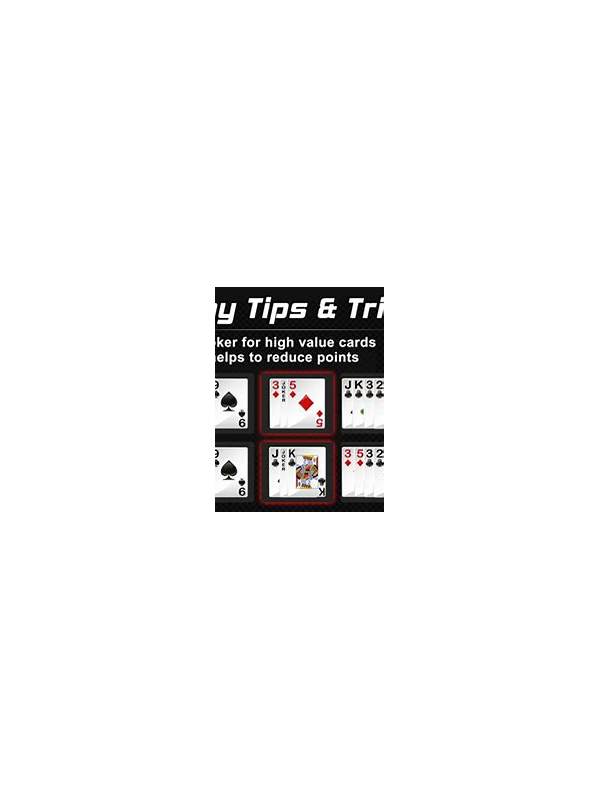
Some cards are valuable because they can move in more than one direction. A middle-rank card may connect to lower or higher neighbours, while an edge card usually has fewer possibilities. Suit symmetry is a quick way to spot this difference when sorting a hand.
For each card that is not already in a group, inspect the same suit one rank below and one rank above. If both neighbours are present, you may already have a short run. If one neighbour is present, identify the cards that could extend it. A middle connector with support on both sides generally offers more routes than a lonely edge card waiting for one exact rank.
Do not confuse theoretical flexibility with practical value. A card may have two possible extensions, but both might already be visible in an opponent’s meld or discarded by a player who is collecting that suit. Check the wider table information before giving the connector a permanent place in the hand.
Use symmetry when choosing between two candidates. Compare the number of useful neighbours, the penalty of keeping each card, and whether either one supports a pure sequence. A high connector can be structurally flexible but still costly if the route fails. A lower card may have fewer points and a more modest plan, yet leave the hand safer.
Recheck after every draw. The arrival of one neighbour can turn a card from speculative to strong, while a discarded or claimed card can narrow the route. Keep the assessment current instead of relying on the first sort of the hand.
This is a viewing tool, not a complete strategy. It helps you notice relationships that a rank-only sort can hide. Combine it with discard history, declaration rules, and the needs of the entire hand. A connector earns its value by supporting a credible plan, not merely by sitting near another card.
You can make the scan faster by grouping cards in pairs: lower neighbour, target card, higher neighbour. Then mark whether each side is present, possible, or unavailable. This gives you a compact picture of direction without mentally calculating every complete sequence. Use the scan at the start of a hand and again after a major discard. A flexible connector that no longer has a practical neighbour should lose its priority. Use evidence carefully and keep conclusions proportional to what you saw. A changing hand deserves a changing assessment, especially when a previously weak card gains a credible connection.
Related Post
Rummy Safety Guide: Check an App Before Granting Access
Use a permission review to decide whether a rummy app needs the access it requests. [...]
Rummy Rule Translation: Turn Formal Wording Into Actions
A step-by-step method for converting dense rummy rules into clear actions at the table. [...]