Rummy Guide: Protect a Useful Card Without Overprotecting It
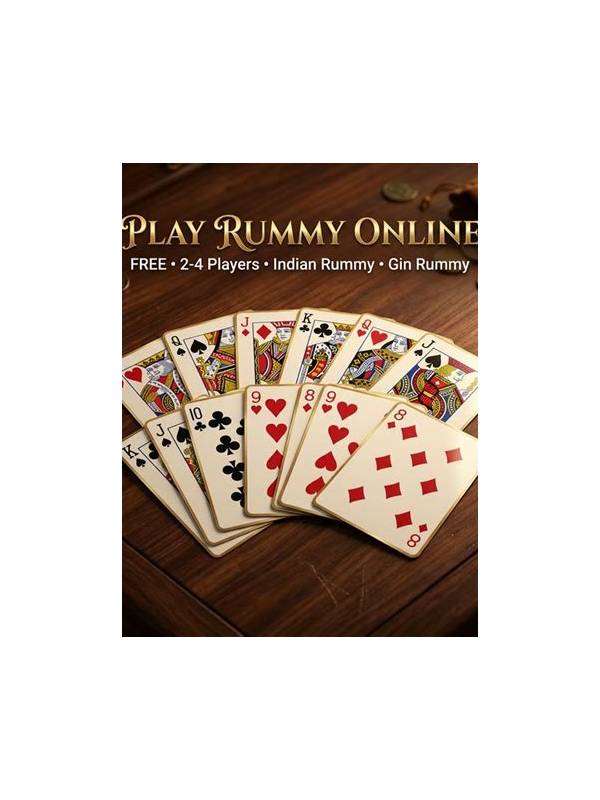
A card that serves two possible routes can be valuable, but flexibility has a limit. Players sometimes protect a useful card for too long, even after the surrounding routes disappear. The aim is not to keep every connector. It is to keep a connector while its future uses remain realistic and worth the waiting cost.
List the card’s current jobs. It may complete a sequence on either side, pair with a rank, or preserve a backup. Count only jobs that fit the rest of the hand. A theoretical combination that requires breaking your stable group should not be treated as an equal use. This quick inventory prevents a single versatile card from receiving exaggerated importance.
Check the evidence after each draw and discard. If the cards that help one route have already appeared, remove that route from the card’s value. If your remaining hand no longer supports the second route, the card may have become an ordinary loose card. Flexibility is temporary; it must be reassessed as information changes.
Compare the card with your most expensive alternative. If protecting the connector means carrying a high isolated card, the connector needs to produce meaningful progress soon. If the alternative is a low card with no future use, keeping the connector may be easy. The decision is relative to the full hand, not the connector alone.
Set a release rule before frustration arrives. You might release the card after two misses, when both routes require an exact unseen card, or when a new draw creates a clearer structure. A release rule prevents sunk-cost thinking and makes the discard feel like an update rather than a defeat.
Useful cards deserve attention, not permanent protection. Keep them while they create genuine choices, then let them go when the hand’s evidence changes. This balance preserves flexibility without allowing one attractive card to dictate every later decision.
Protection also has an information cost. Holding a card can delay your chance to learn whether another route is viable, especially when the hand has many loose cards. Treat each extra turn as an investment and ask what evidence you expect to gain. If the answer is “nothing except hope,” release the card or convert the route. This makes protection purposeful rather than automatic.
That simple question often reveals when protection has become attachment.
Release the card when its remaining jobs no longer justify its cost.
That decision is an update to the plan, not a failure to follow it.
Related Post
Rummy How-To: Build a Card-Relationship Map
A card-relationship map shows how a rummy hand’s cards connect, compete, and change after each [...]
Rummy FAQ: What Should You Do When No Card Improves Your Hand?
When every draw seems unhelpful, a structured reset can protect your options and reduce rushed [...]