Rummy How-To: Make a Table-Side Risk Checklist
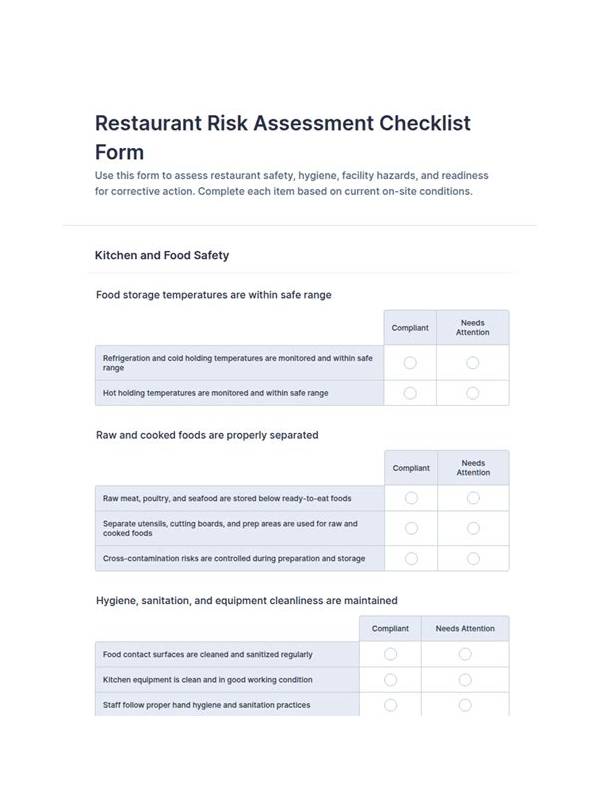
A risk checklist is useful when the table is moving quickly and several choices appear reasonable. It should be short enough to use in seconds. The purpose is not to remove risk from rummy; it is to make sure a risky action is deliberate, understood, and limited rather than automatic.
Use four questions. First: what exact improvement does this action create? If the answer is unclear, pause. Second: how many cards or routes can still help after the action? This distinguishes a broad attempt from a single-card chase. Third: what is the cost if the next draw misses? Include high cards, broken pairs, and lost backups. Fourth: what is my stopping condition?
You can remember the checklist as Improve, Options, Cost, Limit. Say the words silently before taking an exposed discard or committing to a narrow draw. The order matters: identify the benefit first, then inspect flexibility, then acknowledge cost, and finally define the limit. This prevents the risk from sounding attractive only because the possible reward came first.
Apply the checklist selectively. A routine discard that clearly lowers penalty may not need a long pause. A move that reveals your plan, breaks a stable group, or depends on one exact card deserves the full check. Selective use keeps the process practical and prevents analysis from becoming another distraction.
Record the limit in concrete terms. “I will try forever” is not a limit. “I will give this route one more draw, then remove the highest-cost loose card” is. You can also use a table event as the limit, such as a new discard that makes the route less plausible. The rule should be chosen before disappointment makes you extend it.
After the hand, ask whether the checklist changed your action or simply clarified it. Both outcomes are useful. With repetition, the four questions become a natural habit that keeps risk connected to evidence and helps you review choices without relying on luck as the only explanation.
Write the four words somewhere private during practice: Improve, Options, Cost, Limit. After several hands, notice which question you skip most often. Some players identify a reward but overlook the miss case; others see danger but never define a stopping point. The checklist is most useful when it targets your personal blind spot. Keep it supportive and brief so it improves concentration instead of adding pressure.
The checklist should make decisions clearer, not slower.
Related Post
Rummy How-To: Turn a Messy Hand Into Three Candidate Plans
A quick sorting method helps you compare possible hand shapes before you chase the first [...]
Rummy FAQ: What Makes a Draw Worth Chasing?
A useful draw needs more than a possible match; it needs a sensible chance and [...]