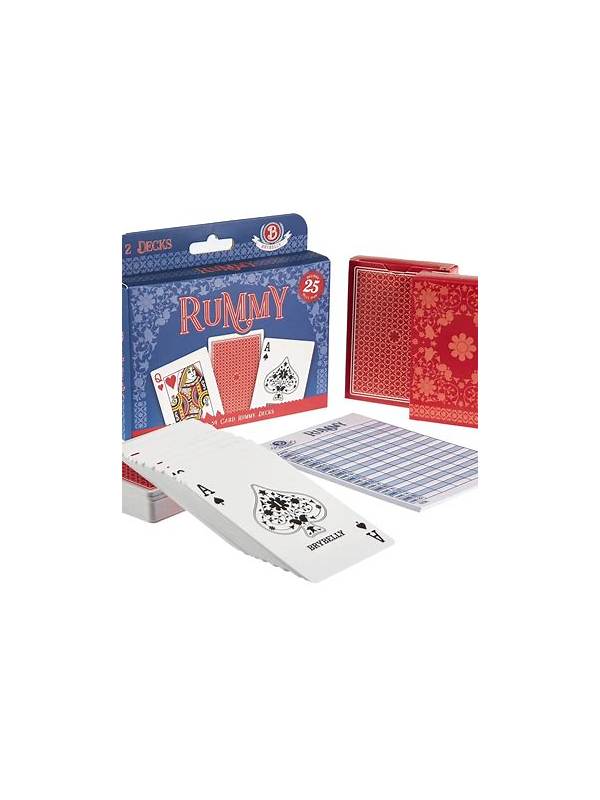
Rummy Guide: Use Card Groups Without Losing the Whole Hand
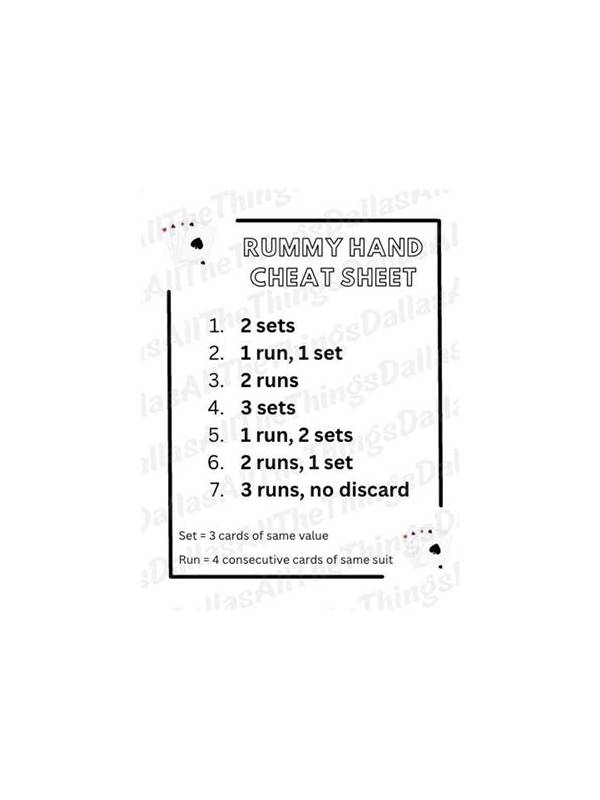
Sorting cards into groups makes a hand easier to read. The risk is treating every group as permanent. Good grouping is a working map: it shows what is strong, what is possible, and what has no current purpose.
Mark completed combinations separately from candidates. A completed pure sequence deserves protection because it may satisfy a required condition. A pair, a gap, or a loose same-suit run is only a candidate. Use a different visual position or mental label so you do not accidentally give an unfinished group the same confidence as a valid one.
Leave uncertain cards in a flexible area. A middle card may connect to two plans, while an edge card may have only one direction. Keeping flexible cards uncommitted can help you respond to the next draw. Do not force them into a group simply to make the hand look tidy.
After a draw, compare groups by their role. Which group protects a requirement? Which group has several completion routes? Which group creates the most point exposure if it fails? This comparison may lead you to dissolve an old candidate. That is normal; a working map should change when information changes.
Before discarding, look at the leftovers rather than only the promising groups. An isolated high card or duplicate candidate may be the clearest release. If every candidate seems weak, choose the card with the poorest future and accept that uncertainty is part of the format. Review the decision later without blaming the random deal, and use responsible limits while practicing.
A practical layout can use four zones: secure, developing, flexible, and release. Move a card between zones only when a draw or discard changes its role. This prevents the common mistake of sorting once and then playing from an outdated picture. If two cards overlap between groups, mark the overlap and ask which group has higher priority. Avoid making a group just because three cards share a color; valid combinations depend on the format’s rules. Before a declaration, inspect the zones again and verify every group rather than trusting the layout. The method is deliberately simple so it can work under a timer. Its purpose is to create a clean question at each turn, not a perfect prediction. A practical layout can use four zones: secure, developing, flexible, and release. Move a card between zones only when a draw or discard changes its role. This prevents the common mistake of sorting once and then playing from an outdated picture. If two cards overlap between groups, mark the overlap and ask which group has higher priority. Avoid making a group just because three cards share a color; valid combinations depend on the format’s rules. Before a declaration, inspect the zones again and verify every group rather than trusting the layout. The method is deliberately simple so it can work under a timer. Its purpose is to create a clean question at each turn, not a perfect prediction.
The zones should remain temporary labels, because the next draw can change the best arrangement.
Related Post
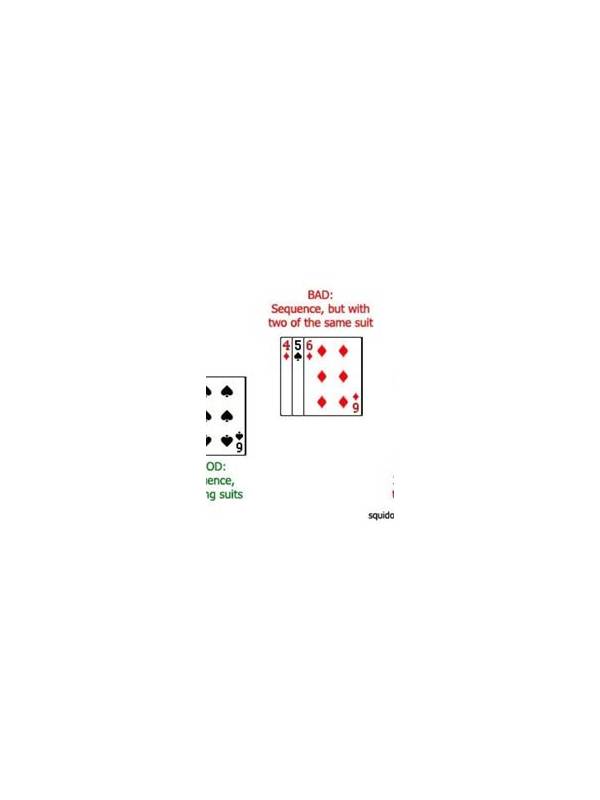
How to Compare Two Possible Rummy Sequences
A side-by-side sequence comparison helps players choose a practical direction when one card could serve [...]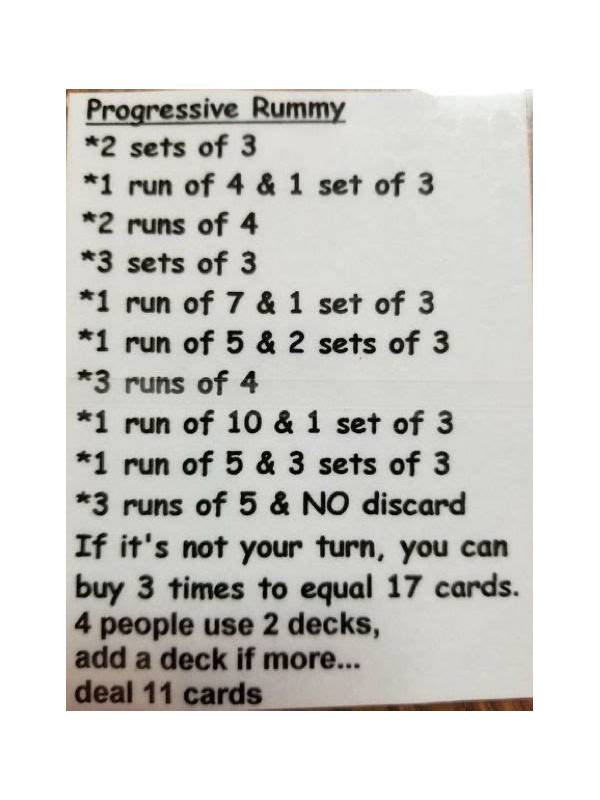
Rummy Tips: Compare Draws by the Number of Useful Cards
Counting broad improvement routes helps distinguish a promising draw from a tempting single-card hope. [...]