Rummy Safety: Review Withdrawal Rules Before Depositing
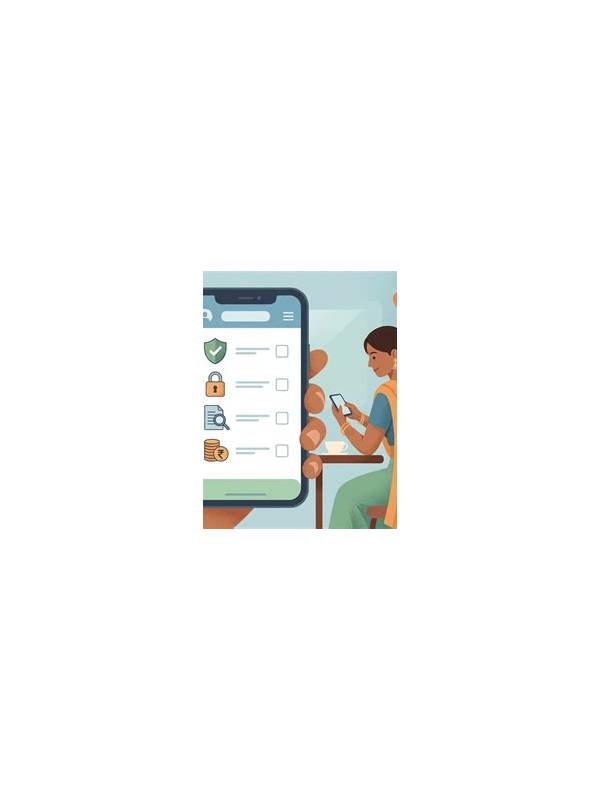
A deposit page tells only part of the financial story. Before adding money to an online rummy service, read how withdrawals, verification, fees, and account closures work. Clear rules cannot remove every risk, but unclear rules are a strong reason to pause.
Look for the minimum withdrawal amount, processing window, available methods, and any applicable charges. Check whether a payment method must belong to the account holder. If the service requires identity verification, find out what documents are requested and how they are stored. Never send identity documents through an unofficial chat or personal email address.
Promotional balances often have separate conditions. Read wagering or play-through requirements, expiry dates, eligible formats, and restrictions on combining offers. A headline reward may not be withdrawable immediately. If the terms are hidden, contradictory, or written in a way you cannot understand, do not treat the offer as cash.
Protect the transaction record. Use the official account area to confirm deposits and withdrawals, and keep receipts without exposing full payment numbers. Ignore messages that demand a secret code or an additional payment to unlock funds until you verify them through the official support channel. A request for urgency is not evidence of legitimacy.
Local laws and age requirements may apply to real-money play. Use only services available in your location, keep the amount limited, and never use borrowed bill money. If a withdrawal problem appears, stop depositing while you document the issue and seek appropriate consumer or financial guidance.
Also check what happens if an account is closed, suspended, or inactive. Some services may return funds only through the original method, while others may require a new verification step. Read the privacy notice for retention and deletion information, and note whether support is available in your language and time zone. A professional interface does not guarantee fair or prompt processing. Search for the formal dispute route in the service’s own terms rather than relying on social media comments. Before depositing, make a checklist of unanswered questions and keep a copy of the relevant rules. If basic questions cannot be answered clearly, the safest choice is not to fund the account. Also check what happens if an account is closed, suspended, or inactive. Some services may return funds only through the original method, while others may require a new verification step. Read the privacy notice for retention and deletion information, and note whether support is available in your language and time zone. A professional interface does not guarantee fair or prompt processing. Search for the formal dispute route in the service’s own terms rather than relying on social media comments. Before depositing, make a checklist of unanswered questions and keep a copy of the relevant rules. If basic questions cannot be answered clearly, the safest choice is not to fund the account.
Clarity before payment is easier than trying to resolve an avoidable dispute after money has moved.
Related Post

Rummy Tips: Use a Time Budget for Each Decision
A flexible time budget keeps rummy analysis focused without turning the game into a race. [...]
Rummy Safety: Recognize a Misleading Bonus Offer
Reading eligibility, wagering, expiry, and withdrawal terms helps players evaluate rummy promotions safely. [...]