How to Review a Rummy Hand After It Ends
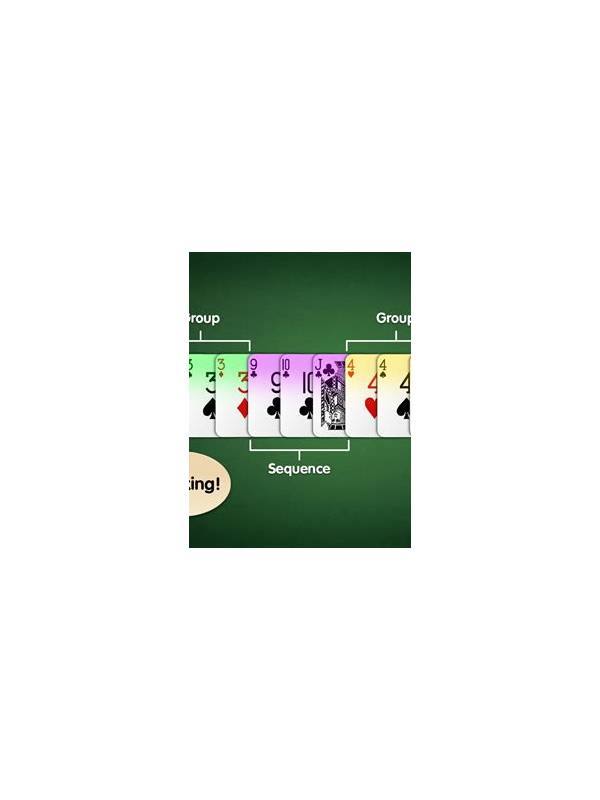
A finished hand contains more information than its result. Reviewing it for two minutes can show whether a decision was sound when made, even if the draw did not cooperate. The purpose is learning, not finding a reason to replay the hand emotionally.
Begin by writing down the turning point. It may be the first discard, a missed pure sequence, a decision to split a useful group, or the moment you ignored your time limit. Describe what you knew at that moment, not what the final cards later revealed. This keeps hindsight from making every alternative look obvious.
Next reconstruct your hand in broad stages. What groups were available after the initial deal? Which cards became less useful as new information arrived? Did you keep a high-value card because it had emotional appeal, or because it genuinely supported a route? Notice whether you sorted the cards in a way that made connections easy to see.
Separate three kinds of outcome. A good process with an unlucky draw is not the same as a poor process that happened to win. A rules error is different from a tactical error, and both deserve a different remedy. If you were unsure about a rule, verify it before playing again. If you rushed a discard, add a pause to your next-session routine.
Choose one improvement only. “Play better” is too broad. A useful target might be checking for a pure sequence before considering sets, releasing isolated high cards earlier, or recording the reason for a risky draw. Keep the target for several hands so you can tell whether it changes your decisions.
End the review when the evidence ends. Unknown cards cannot prove what an opponent held, and one result cannot establish a pattern. Record a short note, close the table, and return later if you still want to study it. This approach protects enjoyment while making each hand a small, honest source of feedback.
If you play with friends, discuss the rule or decision rather than criticizing the person. A calm explanation helps everyone remember the format and keeps review from becoming an argument. When playing alone, write the question down and verify it later through the official rules instead of trusting a random comment.
Related Post
Rummy How-To: Check a Hand After Moving Cards Between Groups
A short post-rearrangement check catches hidden gaps and accidental reuse of cards. [...]
What to Do When an Online Rummy Turn Timer Feels Too Short
Practical ways to make faster, calmer decisions when an online rummy timer is running. [...]