Rummy Tips: Read a Weak Discard as a Planning Signal
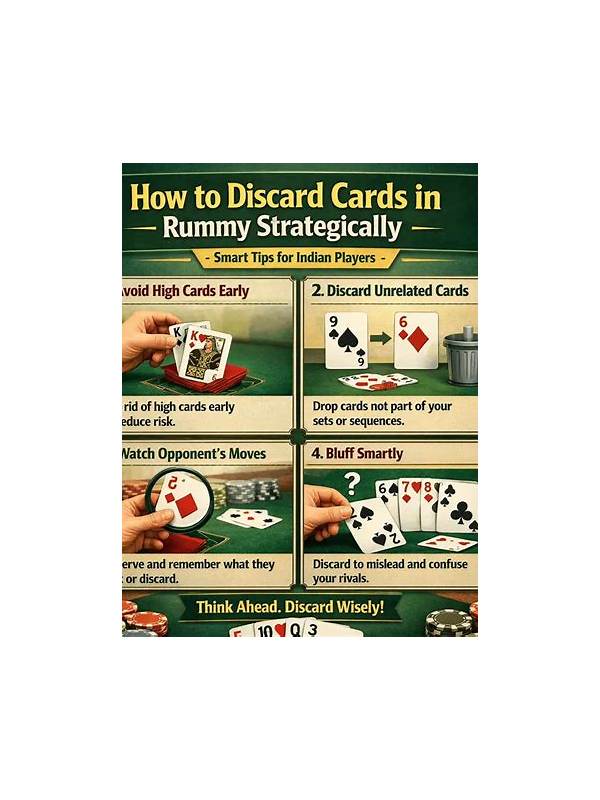
Players often study discards for clues about opponents, but your own weak discard can teach you something too. If you repeatedly release cards that do not fit your hand, the pattern may signal that your plan has become too narrow or that your sorting system is hiding an alternative.
A weak discard is not simply a card with few points. It is a card whose release does not improve the hand and may give away useful information. Before discarding, state what the card was doing. If the answer is “I was hoping it would eventually connect,” you have identified a speculative role. If the card was part of a confirmed requirement, its release needs stronger justification.
Look for three signs. First, the card was kept for several turns without gaining a partner. Second, keeping it forced you to break a more flexible group. Third, you chose it only because another card felt emotionally difficult to release. Any one sign is worth reviewing; two or more suggest the plan needs adjustment.
Use the discard as a planning signal rather than as a reason for regret. After releasing it, rebuild the hand from the remaining cards. Which group now has the best improvement route? What is the new weakest link? This reset prevents you from spending the next turns trying to prove that the discarded card was worth keeping.
You can also review your public discards after a session. Mark cards that were released without a clear role and categorize the cause: narrow draw, high-point protection, visual confusion, or time pressure. A repeated category points to a practical exercise. For example, narrow draws need deadlines, while visual confusion may need a different hand layout.
The goal is not to make every discard perfect. Unknown cards and imperfect information are part of the game. The goal is to recognize when a discard is evidence that your internal plan has changed. When you treat that evidence promptly, one weak choice is less likely to become a whole hand of repeated choices.
Do not use the signal to shame yourself during play. Label the discard, update the plan, and continue with the cards that remain. A neutral reset preserves attention for the next decision. If the same kind of weak discard appears repeatedly, study it after the session instead of trying to solve the pattern while the clock is running.
A useful review question is, “What did I believe this card would do?” Compare that belief with the actual role it had in the hand. This exposes whether the problem was a narrow draw, a missed requirement, or simple attachment to a card that had stopped helping.
Related Post
Rummy Safety: Protect Breaks From the Recover-a-Loss Impulse
A deliberate break interrupts chasing behavior and gives you time to decide whether continuing still [...]
Rummy Tips: Compare Immediate Gain With Future Flexibility
Comparing a quick improvement with the options it removes can make close rummy choices more [...]