Rummy Strategy: Choose a Default Discard Under Pressure

Some rummy turns become difficult because several cards look equally uncertain and the clock is moving. A default discard rule can provide a starting point. For example, you might first inspect isolated high-penalty cards, then weak narrow draws, then cards that reveal too much. The rule should organise attention, not replace the actual hand review.
Build the order from your risks
List the mistakes you most often make. If you hold high cards too long, place penalty review first. If you chase attractive pairs, inspect narrow routes early. If you miss a required pure group, make legality a mandatory check before discard selection. A default rule is useful when it addresses a real pattern rather than copying someone else’s preference.
Add an exception check
Before using the default, ask whether the candidate card belongs to a confirmed group, protects a legal requirement, or is likely to complete on several unseen cards. Any of these facts can override the normal order. The exception check keeps a simple rule from becoming a mechanical error.
Keep the rule short
A pressure rule should fit in one sentence. “Inspect isolated high cards, then compare the weakest route” is easier to use than a long scoring system. If the rule needs many calculations, it may increase pressure. Use detailed analysis in practice and a compact cue in live play.
Test it on sample hands
Deal or review several hands and apply the rule without worrying about the result. Note where it produced a sensible candidate and where an exception was needed. Refine the wording until it consistently directs attention to the right question. Do not judge it only by whether the sample hand eventually won.
Retire it when circumstances change
A default for a quick practice round may not fit a different format or table rule. Recheck it when the hand size, scoring, joker treatment, or time limit changes. Also retire a rule that repeatedly hides useful information. Defaults are temporary tools that should evolve with evidence.
Under pressure, a good default gives you a first step and a safe exit. It makes decisions more orderly while leaving room for the facts of the current hand to win.
You can also use the rule during review to check whether the pressure came from the hand or from your own process. If the same exception appears repeatedly, update the default instead of adding another exception to remember.
Related Post
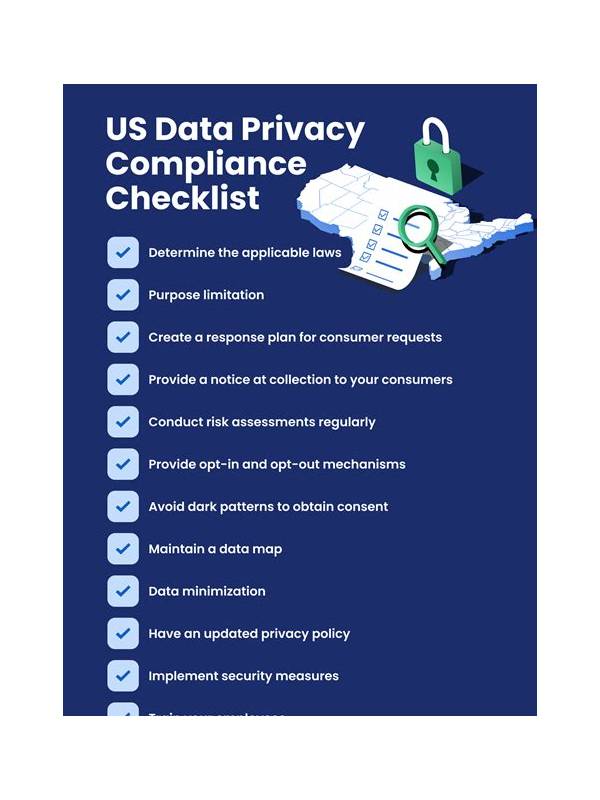
A Privacy Checklist for Online Rummy Accounts
Use this practical checklist to limit unnecessary data exposure when setting up an online rummy [...]
Rummy Card Exposure: Limit What Others Can See
Simple screen and privacy habits help players control accidental card exposure during online rummy. [...]