Rummy Safety: A Practical Checklist for App Permissions
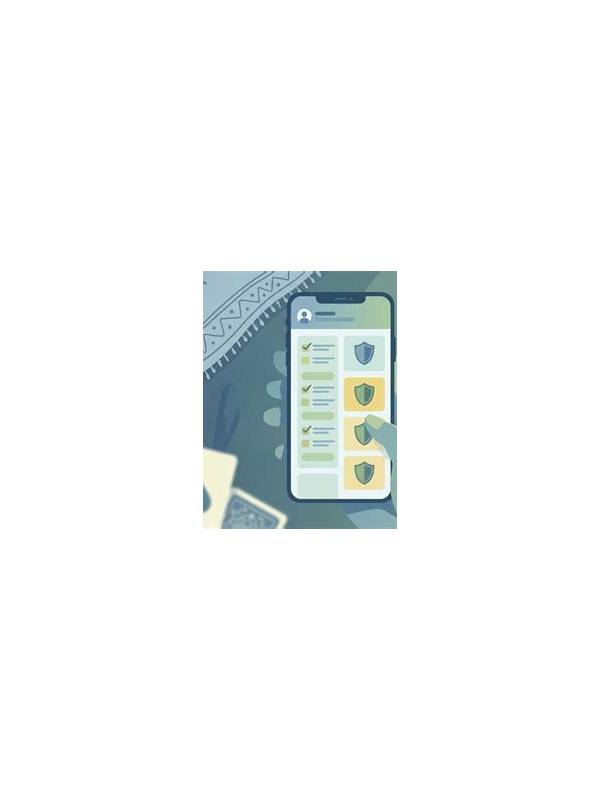
An app that offers online rummy may request access to parts of a phone that are not needed for basic gameplay. Permission prompts deserve a pause, especially when an installer comes from outside an official store. A permission checklist cannot prove that an app is safe, but it can help you spot requests that deserve further investigation.
First, identify the app source and developer name. Compare the name shown in the store or download page with the publisher information, support page, and privacy policy. Similar-looking names and copied logos can make an unofficial app appear familiar. Do not install a file simply because it was shared in a message or appears near the top of a search result.
When the app opens, read each permission request. A card game may reasonably need network access and notifications, depending on its features. Requests for contacts, microphone, precise location, accessibility control, or broad file access should have a clear explanation. Decline optional access until you understand why it is necessary. If the app refuses to work without an unrelated permission, consider leaving it uninstalled.
Check the phone’s settings after installation. Review permissions granted, notification behavior, battery activity, and whether the app can install unknown packages or appear over other apps. Revoke anything unnecessary. Keep the operating system and security software updated, and use a unique password with two-step verification where the service supports it.
Never type payment credentials or one-time codes into a page opened by an unexpected pop-up. Use the platform’s normal account settings and confirm the address before signing in. If an app requests unusual access, creates persistent alerts, or makes the phone behave strangely, stop using it, capture relevant details without exposing private data, and consult the store or device security guidance. Responsible play includes protecting the device and personal information, not only managing game time.
Also review permissions after major app updates. A setting that was optional at installation may be enabled later, or a new feature may introduce a request that you do not need. Use the phone’s privacy dashboard when available and remove access that is not required for the features you use. Avoid installing “helper” tools, modified clients, or files that promise unlimited credits. Their claims cannot substitute for a trustworthy source, clear policies, and normal security behavior. If you uninstall an app because of suspicious activity, change any password that may have been entered there from a different, trusted device.
Related Post

Rummy How-To: Create a Fair Review After a Difficult Session
Review a disappointing rummy session using process evidence instead of emotion. [...]
Rummy Hand Sorting When Several Groups Overlap
A structured way to sort overlapping possibilities helps you avoid building too many plans at [...]