Rummy FAQ: Why Can a Good Card Still Be a Bad Draw?
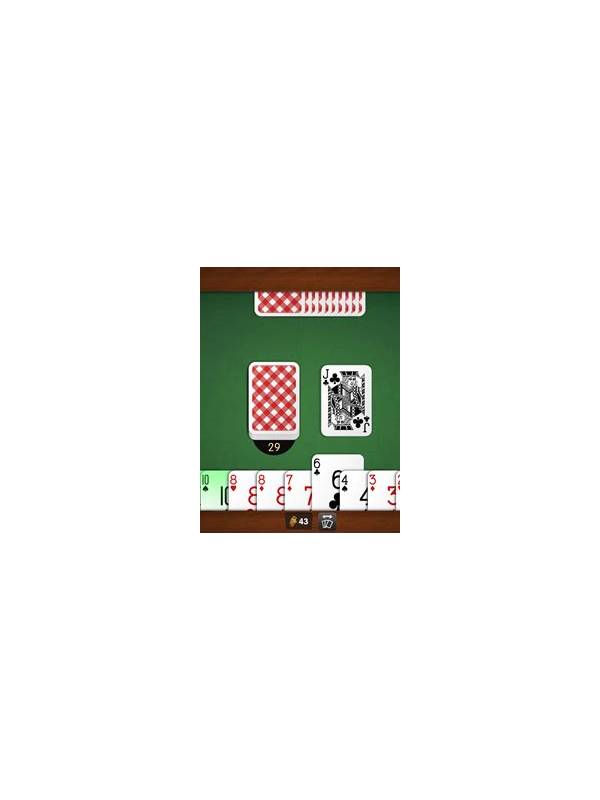
A card can look powerful in isolation and still be a poor draw for a particular hand. In rummy, usefulness is relative. A high card that completes one attractive pair may be less helpful than a modest card that creates a pure sequence or preserves several options. The right question is not “Is this a good card?” but “What does this card improve right now?”
Start by checking whether the card completes a valid structure under the table’s rules. Two cards of the same suit are not automatically a run, and two cards of the same rank are not always a complete set. If the draw only makes a future possibility, count how many realistic cards would be needed and whether those cards remain available.
Next, compare opportunity cost. Keeping one appealing card may force you to discard a flexible connector or break a nearly finished group. A draw that helps one line while damaging two others can be weaker than it appears. Lay out alternatives mentally before committing: keep the new card, discard it, or use it to change an existing arrangement.
Information matters too. If opponents have repeatedly discarded cards around a rank, the remaining chance may be different from your first estimate. Visible discards do not reveal every hidden card, so avoid claiming certainty. They simply help you make a more informed comparison between options.
Finally, consider timing and score exposure. Near the end of a hand, reducing deadwood can be more important than preserving a speculative combination. In a casual game, write down the decision and review it later rather than judging it only by the result. A good process can produce a losing hand, while a lucky draw can reward a weak process. Treat the draw as a decision under incomplete information and keep play within a sensible limit.
Suppose a new card makes a pair but leaves a nearly complete sequence untouched. It may still be weaker than a card that connects to the sequence, because the pair requires another specific improvement and competes for the same hand space. On the other hand, if the pair has two suit connections and the sequence is blocked by visible discards, the comparison changes. State these facts before acting. A written decision such as “keep it because it creates two live paths” is more useful than “it feels lucky.” Over time, this language makes your reviews clearer and less dependent on the final score.
Related Post
Rummy Discard Pile Signals: What to Notice and What to Ignore
Reading the discard pile can add useful context without turning every opponent move into a [...]
Rummy Comparison: Information Gain Versus Immediate Improvement
Comparing information gain with immediate hand improvement helps players choose between a safe-looking move and [...]