Rummy FAQ: When Should You Break an Almost-Complete Group?

If a group is broken, note the replacement plan immediately so the hand does not become disorganized. A deliberate reset is easier to evaluate than a scattered rearrangement.
An almost-complete group feels valuable because it represents visible progress. Yet keeping it forever can trap cards that would work better elsewhere. The decision to break it should depend on the complete hand, the rules, and the likely cost of waiting.
First, distinguish a confirmed group from a hopeful one. A valid sequence or set already has structural value. Two connected cards, however, may need several different cards before they become useful. Breaking a hopeful pair is usually easier to justify when another arrangement creates a confirmed sequence or reduces high-point exposure.
Timing matters. Early in a round, preserving multiple possibilities can be sensible because more draws remain. Later, a narrow plan may be too slow. Look at the cards that have appeared in the discard pile, but remember that absence is not proof that a needed card will never arrive. Use the information to compare likelihoods, not to make promises.
Also examine the cost of the break. If moving one card destroys a pure sequence, the downside may be greater than the benefit. If the group contains a flexible card that can complete several structures, the trade-off is more balanced. Arrange the hand in at least two ways and count the cards left without a credible home in each version.
When you break the group, do it for a stated reason: completing a required structure, lowering penalty risk, or opening two realistic paths. If you cannot name the benefit, wait and reassess after the next draw. Record the choice during practice so you can judge the process later. A broken group is not automatically a mistake, and an intact group is not automatically progress.
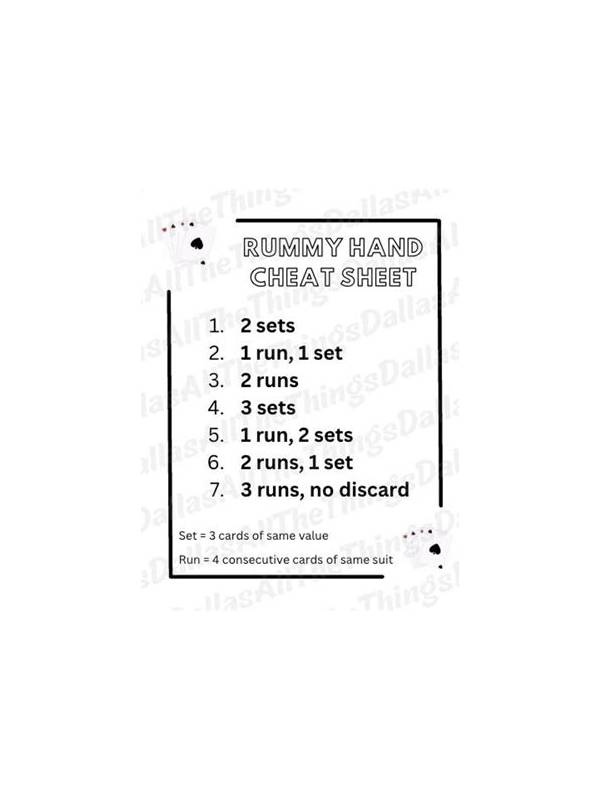
One practical test is to compare the group with the hand’s required structure. If a format needs a pure sequence and your almost-group cannot contribute to one, its value may be lower than its appearance suggests. If it can become that sequence with several different cards, keeping it may be reasonable. Check your assumption against the actual rules rather than a familiar house version. When unsure, ask through an official help page or use a practice table. Clear rules, a calm review, and a personal time or spending limit are more reliable guides than frustration after a disappointing draw.
Related Post

Rummy Safety: Check the Screen Before Entering Payment Details
A short screen and address check can reduce mistakes when an app moves from gameplay [...]
Rummy Comparison: Active Draws Versus Passive Draws
Active and passive draws serve different purposes, and recognizing the difference improves plan selection. [...]