Rummy Safety: Set a Screen and Session Check-In Routine
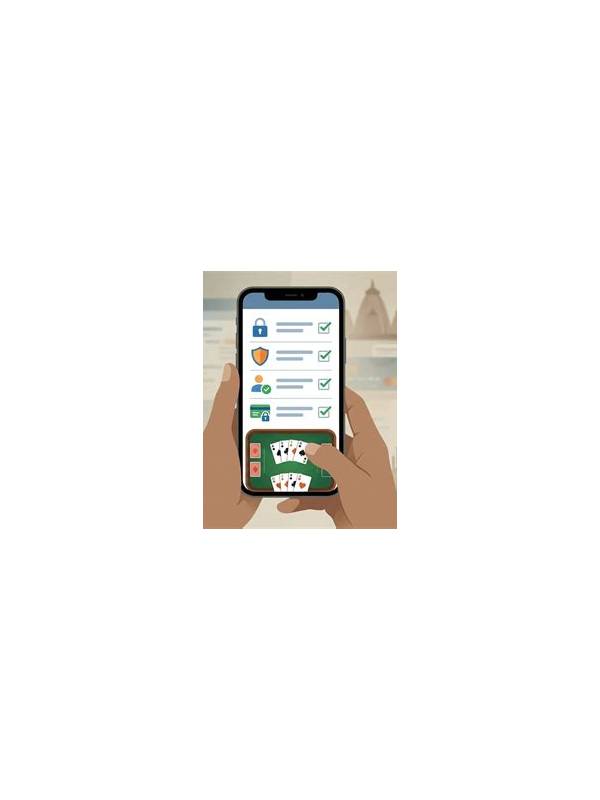
The check-in is also a chance to notice headaches, eye strain, or discomfort. Address those signs promptly and never treat physical discomfort as a challenge to overcome.
A safe digital game session includes more than secure login details. Long screen time, poor posture, fatigue, and unplanned spending can quietly change how you play. A check-in routine creates small pauses before those problems become difficult to notice.
Before starting, check four things: your available time, your planned spending limit, your physical comfort, and your reason for playing. If you are tired, upset, or trying to recover money lost earlier, postponing is a sensible choice. Keep payment methods and personal documents away from the play area, and sign in only through the platform’s normal route.
During the session, use a simple interval reminder. At a natural break, look away from the screen, relax your hands, and ask whether you are still following the plan. Notice whether decisions are becoming faster, more emotional, or less careful. If the answer is yes, pause rather than increasing stakes or changing formats to chase excitement.
Keep the routine practical. A glass of water, a comfortable chair, and reduced notifications can help you notice your state, but they do not make risky play safe. Never let a reminder become a reason to extend the session. A stop time should be treated as a real boundary, especially if the platform makes it easy to start another round.
After stopping, record only a few facts: total time, whether you stayed within the limit, and how focused you felt. Do not use a single result to judge your skill. If you repeatedly ignore limits or feel unable to stop, step away and seek support from someone you trust or an appropriate local service. Responsible play is defined by control and wellbeing, not by a lucky outcome.
Make the check-in visible but unobtrusive. A calendar reminder, kitchen timer, or built-in screen-time limit can signal the planned pause without requiring you to keep watching the clock. Do not use alerts that expose account information on a shared lock screen. If you play with friends, tell them in advance when you need to leave rather than allowing social pressure to extend the session. A clear closing phrase such as “I am done for today” can make the boundary easier to maintain. If the routine repeatedly fails, the safest adjustment may be to take a longer break from the activity.
Related Post
Rummy Guide: Treat Card Order as a Visual Tool
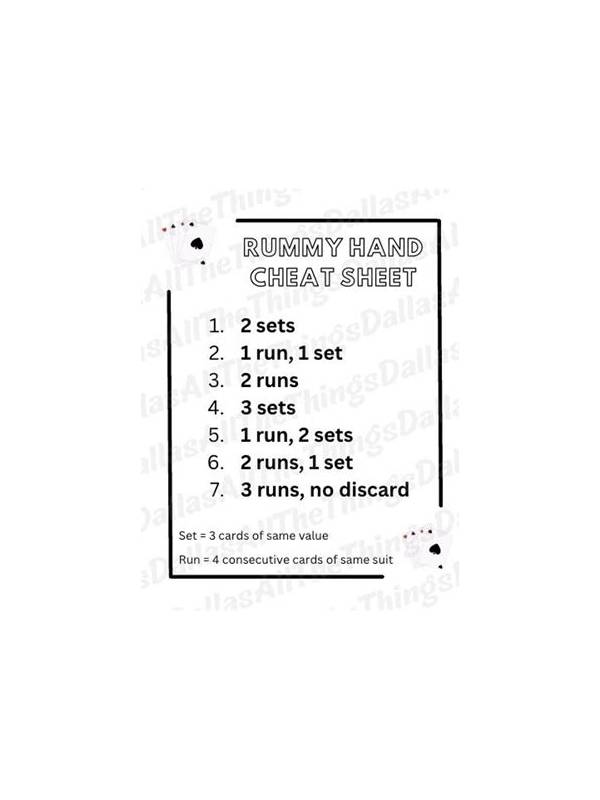
Consistent visual grouping makes sequences, sets, singletons, and mistaken assumptions easier to spot. [...]
Rummy Bonus Expiry Dates: A Checklist for Reading Promotions
Rummy Bonus Expiry Dates: A Checklist for Reading Promotions offers practical guidance for clearer, safer, [...]