Rummy FAQ: Can a Joker Replace Any Card?
A joker is flexible, but it is not a universal repair tool. Its exact treatment depends on the rules of the rummy format, so read the table instructions first. In many Indian rummy games, a joker can stand for a missing card in an impure sequence or a set, while a pure sequence must be made without relying on a joker.
Consider a group containing two cards of the same suit with one rank missing between them. A joker may represent that missing rank and complete an impure sequence if the format allows it. In a set, a joker can often represent the missing suit for a shared rank. The group still needs to meet the required minimum structure; placing a joker beside unrelated cards does not create a valid meld.
The most important distinction is pure versus impure. If your only pure sequence contains a printed or wild joker, it may fail the declaration requirement even if the cards look connected. Keep natural same-suit consecutive cards together and reserve the joker for another group until the pure requirement is secure.
Jokers also have strategic value before they are used. A flexible joker can complete several possible groups, reduce a high-point card’s exposure, or rescue a hand after an awkward draw. Using it immediately on an easy group may leave you unable to complete a difficult group later. Compare the alternatives rather than treating the first legal use as the best use.
Before declaring, inspect every joker substitution. Ask which actual card the joker represents, whether that card fits the rank order, whether suits remain consistent, and whether the group is permitted by the rules. Then verify the complete hand, not only the group containing the joker.
A joker improves flexibility but does not create luck or guarantee a win. It can also encourage overconfidence and cause a player to keep too many weak cards. Use it as a planned resource, confirm the local rules, and remember that a valid declaration depends on the complete arrangement. n+Printed jokers may be handled differently from wild jokers in some rule sets. A printed joker can be a useful discard when your hand already has enough flexibility, but keeping it may also protect a difficult group. Never infer its value from the picture alone. Read the format’s definition and test a sample hand in practice mode. If the interface marks a group as valid, still check the underlying requirement when you are learning, because visual prompts may follow a local convention you have not yet studied.
Related Post
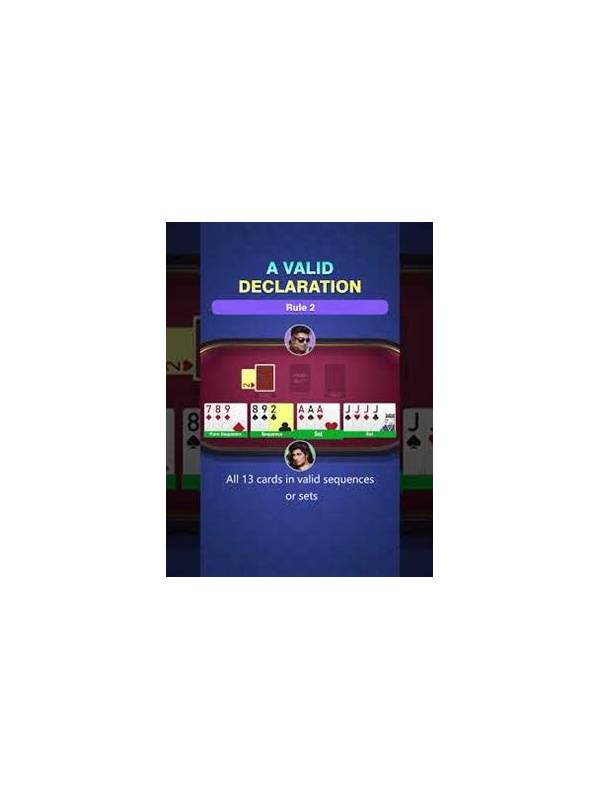
Rummy Guide: Recheck the Declaration in a Fixed Order
A fixed declaration review reduces missed requirements when a promising rummy hand is ready to [...]
Rummy How-To: Make a Three-Question Turn Checklist
Use a short turn routine to make calmer rummy draws and discards under time pressure. [...]