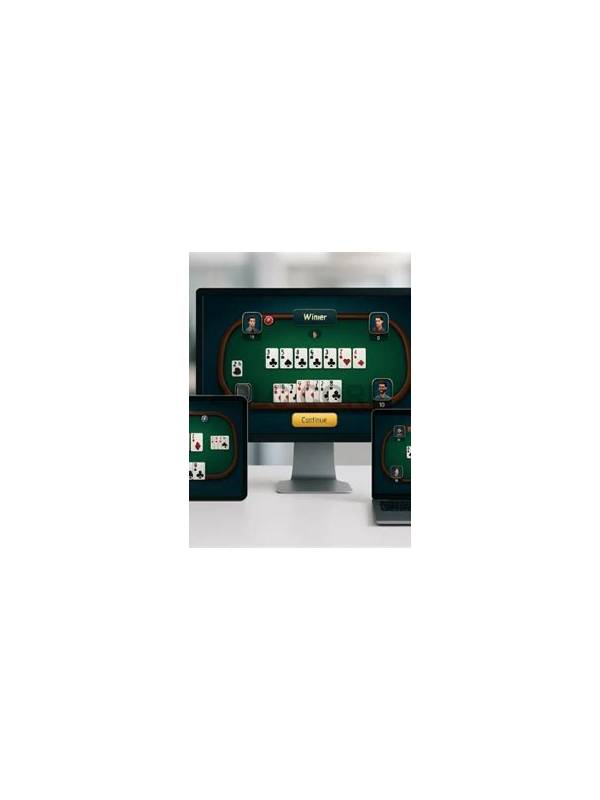
Rummy Comparison: Counting Groups or Counting Unresolved Needs
Players often summarize a rummy hand by counting groups: one sequence, one pair, and several loose cards. That summary is quick, but it can hide the work still required. A second method counts unresolved needs, such as a missing middle card, a required pure sequence, or a group that depends on a joker. The two views answer different questions.
Group counting is useful at the beginning. It gives you a simple picture of the hand’s visible structure and prevents every single card from receiving equal attention. Sort the cards into confirmed groups, candidate groups, and unassigned cards. This is a good first scan when the hand is unfamiliar or time is limited.
Need counting becomes more valuable after the first scan. A hand with three apparent groups may still have four unresolved requirements, while a hand with two groups may need only one carefully chosen improvement. List what each candidate needs to become valid. A three-card run may need one of several neighbors; a pair may need a matching rank; an incomplete group may need an entirely different plan. The list exposes dependency rather than surface neatness.
There is a danger in both methods. Group counting can encourage attachment to a tidy arrangement. Need counting can produce an endless inventory of possibilities. Limit the review to the two or three needs that most affect legality or penalty. Then ask whether the next draw could improve more than one need. A bridge card that serves two routes may deserve protection, while a card serving a single weak route may not.
Use group counting when choosing how to organize the screen, explaining a hand to a beginner, or checking whether cards have been accidentally reused. Use need counting when selecting between competing draws, deciding whether to abandon a plan, or reviewing why a nearly complete hand still felt unstable.
The strongest routine combines them. First describe what exists; then describe what is missing; finally choose the discard that leaves the smallest set of expensive unresolved needs. This is not a guarantee of a win. It is a clearer language for decisions, especially when a hand looks organized but still has no dependable path to a valid declaration.
The comparison is most useful when you say the two summaries aloud. “I have three groups” describes shape; “I still need a pure sequence and a replacement for this loose card” describes work. If the second statement sounds more urgent, let it guide the next review. This language also makes post-session notes clearer because you can record whether the problem was a weak group, an unrecognized requirement, or too many unresolved routes.
Related Post

Rummy Safety: Protect Personal Data in Game Screenshots
Reviewing a screenshot before sharing it can prevent account, payment, and identity details from spreading. [...]
Rummy Comparison: Fixed Discard Rules Versus Contextual Choices
Fixed discard rules offer consistency, while contextual choices account for hand structure and table information. [...]