Rummy FAQ: Should You Take a Card From the Discard Pile?
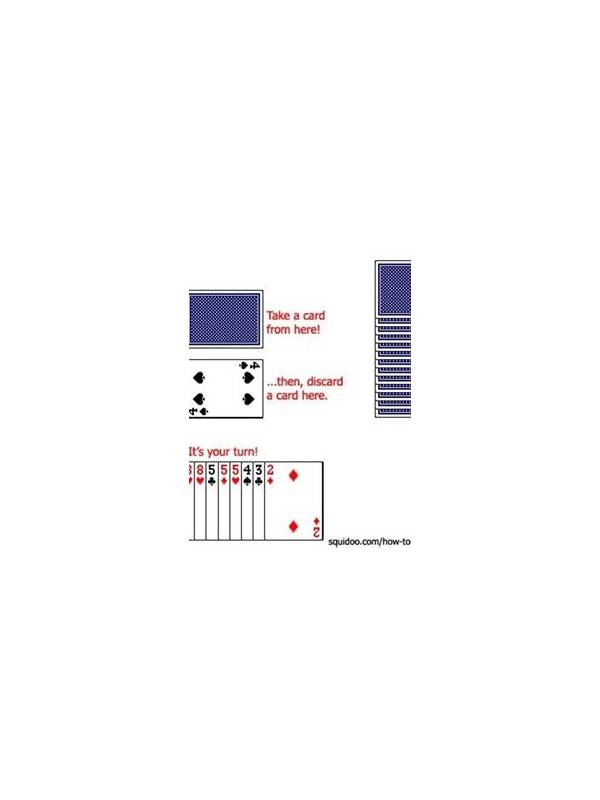
Taking from the discard pile can be the fastest way to improve a rummy hand, but the visible pickup also gives information to every opponent. The right answer is not simply “take it when it helps.” Use a three-part test before committing.
First, does the card create a legal improvement? A card that completes a valid sequence or set is stronger than one that merely sits beside a pair. Check whether the arrangement still satisfies the format’s declaration requirements. Do not let the excitement of a pickup hide a missing pure sequence or an unsupported group.
Second, how many future options does the pickup preserve? If it helps one narrow arrangement and leaves several high cards stranded, the improvement may be temporary. A card that supports two reasonable plans can be worth taking even when it does not immediately complete a group.
Third, what information does the pickup reveal? Opponents may infer your suit, rank, or intended direction. That signal matters most when the card is a distinctive missing link and the discard pile is otherwise quiet. If taking the card completes a group and greatly shortens your hand, the information cost may be acceptable.
The stock is often preferable when privacy has value. Drawing unseen keeps your interest hidden and may provide a different route. It is not automatically safer, because the stock draw can miss completely, but it avoids handing opponents a clear clue.
There is also a timing question. Early in the hand, a pickup can reveal a plan before you know whether it will work. Late in the hand, a completed group may justify the signal because speed matters more. Match the choice to the hand’s stage rather than applying one rule every time.
In short, take from the discard pile when the card makes a legal, resilient improvement whose information cost you can accept. Pass when the benefit is vague, the plan is narrow, or the pickup would give away more than it saves.
One additional check is the card you would discard after the pickup. A good pickup can still be poor if it forces you to release a card that completes an opponent’s likely connection or leaves a high-value singleton. Mentally perform the whole draw-and-discard sequence before clicking. This takes longer than looking at the pickup alone, but it evaluates the actual turn rather than its most exciting part. That full-turn check is especially useful when the pickup is a high card.
Related Post
Rummy How-To: End a Session With a Reset Routine
A short reset routine closes a rummy session cleanly and prevents one more hand from [...]
Rummy Rule Variations: Confirm Details Before You Play
Checking small rule differences early can prevent avoidable disputes about groups, turns, and scoring. [...]