Rummy FAQ: How Does an Ace Fit Into a Sequence?
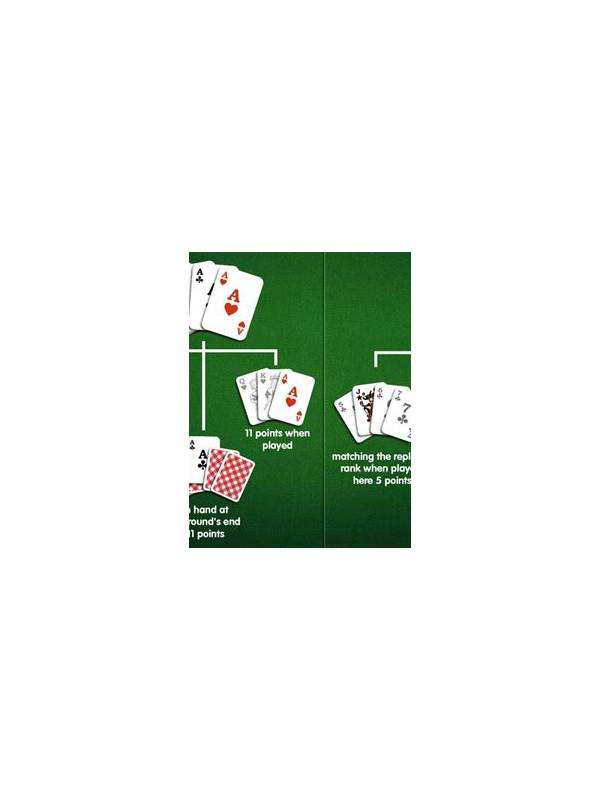
An ace can be confusing because many card games give it more than one role. In most Indian rummy rules, an ace can form a low sequence with two and three or a high sequence with queen and king. It cannot normally wrap around from king to ace to two in the same sequence.
Always check the specific format or platform rules before declaring. Variations exist, and the displayed hand evaluator may apply a particular interpretation. A general memory is useful, but the current rules are the final authority.
When arranging your hand, keep ace connections separate. Ace, two, and three of one suit can be a valid pure sequence. Queen, king, and ace of that suit may also be a valid high sequence where the rules permit it. A sequence such as king, ace, two usually fails because it crosses the end of the rank order.
An ace is also a high-value card when it remains ungrouped in many scoring systems. If it is not supporting a realistic sequence or set, give it a deadline. Do not hold it simply because it has two theoretical directions. A theoretical connection is useful only when the missing cards are plausible and the rest of the hand remains safe.
Jokers require another check. A joker may represent a missing card in a sequence, but it does not change the rank order. It cannot make an otherwise forbidden wraparound legal. Arrange the group, then confirm that the natural cards and the joker fit the declared rules.
The safest habit is to verify every ace-containing group before a declaration. Read the ranks in order, confirm the suit where required, check whether the group is pure, and make sure no group crosses the ace boundary. This takes seconds and can prevent a costly invalid declaration.
If an ace is part of a set, the sequence question does not apply to that group, but the declaration still needs a complete overall structure. Three aces of different suits can form a set where the rules allow it, while a lone ace remains a costly card until it finds a legal home. Keep rank logic and group legality separate: a correct ace order cannot repair an unrelated missing group elsewhere in the hand. Check the complete hand, not just the ace group. Then confirm the declaration control before submitting it to the table and waiting for confirmation there.
Related Post
Rummy How-To: Rebuild a Hand After a Broken Sequence
When a sequence plan collapses, a structured rebuild can turn scattered cards into a new [...]
Rummy Strategy: Use a Constraint Before a Preference
Checking the hand’s strongest constraint before following a favorite pattern leads to more practical rummy [...]