Rummy Safety: Manage Notifications and Privacy Before a Session
A safe online-rummy session begins before the first deal. Notifications, shared screens, and saved account details can create distractions or expose information at the wrong moment. A short privacy check improves both concentration and account safety.
Start by reviewing notifications. Message previews can appear while you play and may reveal private content to anyone nearby. Use the device’s privacy settings to hide sensitive previews or enable a focus mode for the planned session. Keep emergency contacts available, but reduce nonessential interruptions.
If you play on a shared device, confirm that the correct account is active before opening a table. Sign out of other profiles, disable automatic payment autofill where appropriate, and avoid saving passwords on a device that other people can access. A screen lock is an important baseline protection.
Check screen-sharing and casting indicators. A meeting app, recording tool, or smart display may show more of your screen than you expect. Stop unneeded sharing before entering account or payment pages. Do not send screenshots that include balances, personal identifiers, verification codes, or recovery details.
Keep permissions minimal. If an app requests microphone, contacts, location, or storage access, consider whether the feature genuinely needs it. Review permissions after updates because settings can change. When a request is unclear, consult the official support documentation rather than accepting it under time pressure.
Finally, set a session boundary. Decide how long you will play and what spending limit applies before notifications and game results begin influencing you. If you notice urgency, fatigue, or repeated distraction, pause and close the session. Privacy and responsible play are easier to maintain when you are not rushing.
These checks take only a few minutes: protect previews, verify the account, stop unintended sharing, limit permissions, and set a boundary. They make the session quieter without requiring complicated technical knowledge.
Review these settings occasionally rather than only after a problem. Operating-system updates, new applications, and account changes can re-enable previews or add permissions. A monthly privacy check is usually enough for ordinary use, with an extra check whenever you change devices or install a major update. The purpose is not to make play complicated; it is to ensure that convenience features do not quietly expose information or interrupt decisions. Simple checks are easier to maintain. They also reduce the chance of overlooking a quiet setting change after an update or device switch during ordinary use and future sessions alike.
Related Post

Rummy Guide: Set an Endgame Threshold for Loose Cards
An endgame threshold tells you when to stop exploring and prioritize a realistic completion route. [...]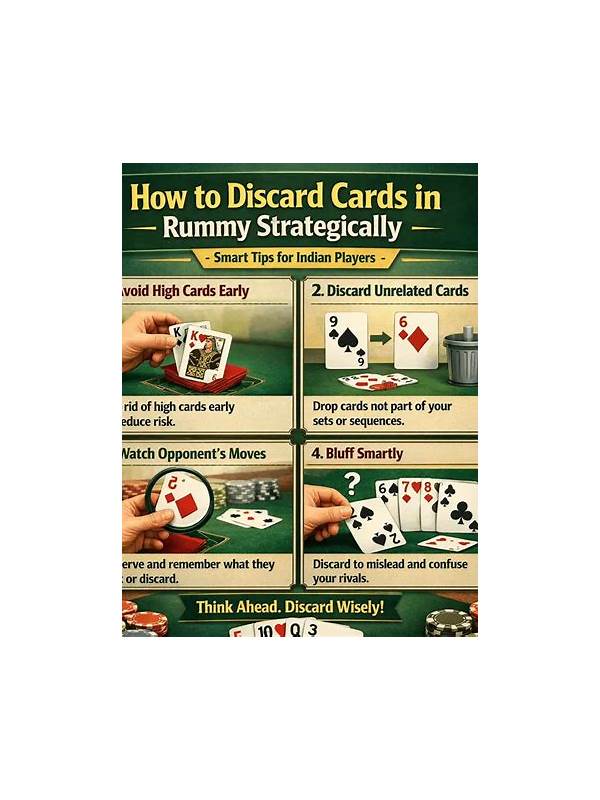
Rummy Tips: Make Your Discard Reason Easy to Explain
Explaining a discard in one sentence exposes weak reasoning before it becomes a habit. [...]