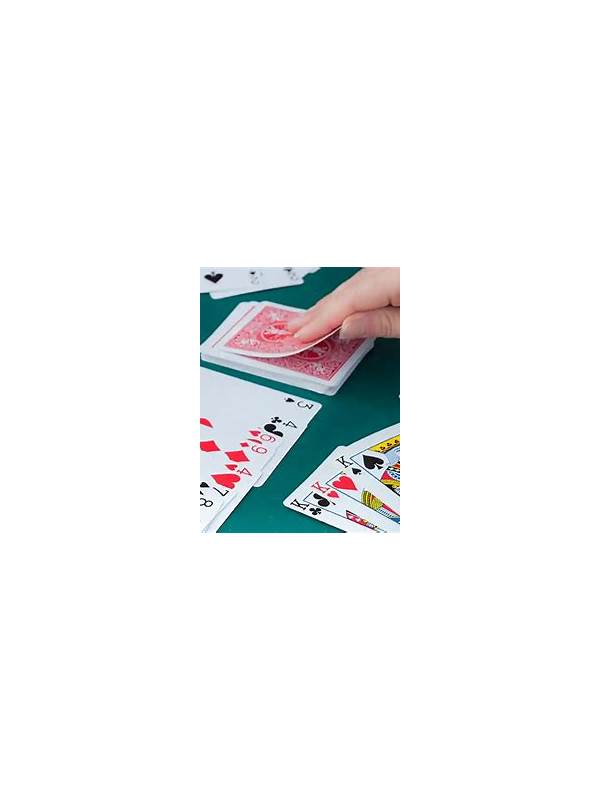
Building a Personal Rummy Learning Log
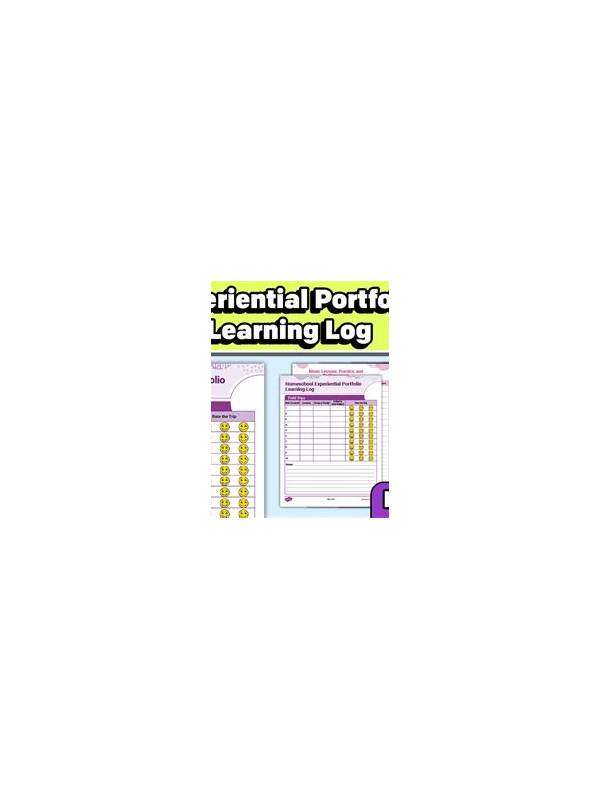
A learning log can make rummy practice more useful, provided it does not become a reason to play longer than planned. The best log is brief enough to complete after a session and specific enough to reveal repeated decision patterns.
Record the format, date, and number of hands first. Do not record sensitive account information, payment details, or another player’s identity. Note whether the table was practice or paid, because those environments create different pressures. Include your preset time and money limits, then mark whether you followed them.
For each notable hand, write one decision rather than a full transcript. Describe the cards you understood, the route you considered, and the action you chose. Add what you knew at the time. Avoid writing that a decision was wrong only because the next draw failed; a reasonable decision can have an unfavorable outcome.
Use categories to find patterns. “Rules,” “sorting,” “discard,” “timing,” and “emotional control” are enough for a beginner. If the same category appears repeatedly, choose one small experiment for the next session. For example, you might pause to verify a pure sequence before declaring, or release isolated high cards earlier when they have no defined connection.
Keep results in perspective. A short winning streak does not prove a method, and a single loss does not disprove one. Compare decisions over several hands and look for whether you followed your process. If the log shows repeated attempts to recover losses or exceed limits, the correct lesson is to take a break, not to optimize the next table.
End every entry with a stopping note: why you finished and when you will review the log again. A learning log should support reflection away from the table. Used this way, it helps separate skill-building from chance and keeps practice compatible with a healthy, bounded routine.
Review the log weekly rather than after every emotional moment. Look for repeated choices, not isolated outcomes. You may discover that sorting is consistent but declaration checks are rushed, or that time limits work while money limits need adjustment. Keep the change small, test it briefly, and stop recording when the log stops helping.
Store the log somewhere private and keep it free of account credentials. Its purpose is reflection, not proof for a promotion or a claim about future results. If writing about play makes you feel compelled to continue, close the log and take a break; the record should serve your wellbeing.
Related Post
Rummy FAQ: What Does a Good Exit Card Look Like?
A good exit card is easy to release without damaging a required group or revealing [...]
Rummy Account Recovery: Prepare Before You Lose Device Access
Rummy Account Recovery: Prepare Before You Lose Device Access offers practical guidance for clearer, safer, [...]