Rummy How-To: Use a Neutral Reset After a Mistake
A missed draw, incorrect discard, or misunderstood rule can make the next turn feel urgent. A neutral reset helps you return to the current position instead of trying to repair the past emotionally. The reset is brief and practical: name the error, update the hand, and choose the next legal decision.
Start by stating what happened without exaggeration. “I discarded a card I intended to keep” is useful. “I ruined the entire hand” is a judgment that adds no information. Accurate language makes it easier to see which options remain.
Next, rebuild the visible facts. Count the cards, check the current groups, and confirm the applicable rule. Do not rely on the layout you remember before the mistake. The hand has changed, so your plan must be based on the present arrangement. If the error affects scoring or eligibility, use the official rule or support channel rather than guessing.
Choose one priority for the next turn. It might be restoring a required sequence, reducing exposed points, or preserving a complete group. Do not pursue every possible improvement at once. A single priority narrows the decision and prevents the mistake from creating a chain of rushed moves.
Set a small behavioral boundary too. After an error, avoid adding stakes, chasing a lost position, or making an unusually fast move to prove that you are fine. If concentration has dropped, finish the current safe action and consider a break according to your own session limit.
After the hand, record the trigger and the prevention step. For example, “I skipped the validity check; I will verify the required group before discarding.” The note should produce a future action, not a self-criticism. Mistakes become useful when they improve a repeatable routine while leaving the next hand free from the last hand’s emotion. If the mistake cannot be corrected within the rules, accept that limit quickly. Trying to compensate with reckless choices usually creates a second problem. A neutral reset does not erase the result; it protects the quality of the decisions that are still available. That is enough for the current hand. One careful next move is a better recovery than several dramatic moves made to compensate. Treat composure as a practical skill that protects the options you have left.
Related Post
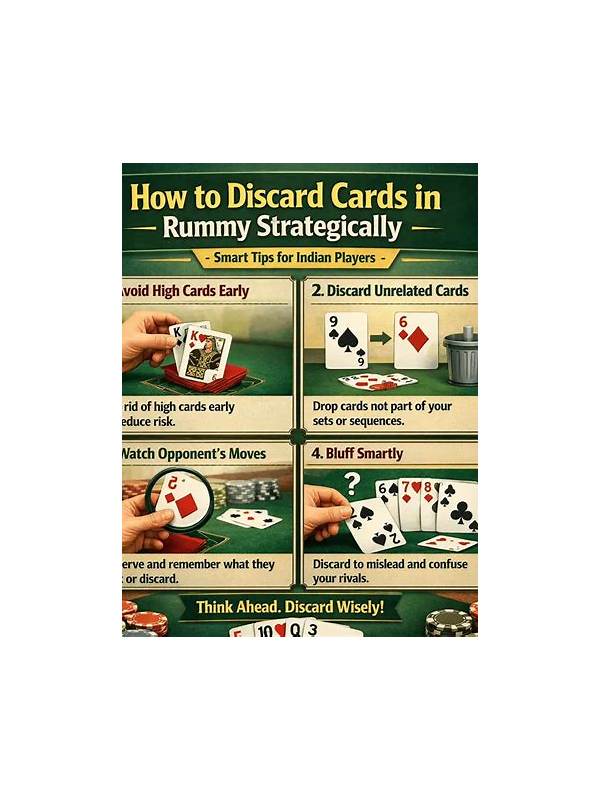
Rummy How-To: Explain a Discard in One Clear Sentence
Explaining a discard in one sentence reveals whether the move has a specific purpose and [...]
Rummy Guide: Treat Card Order as a Visual Tool
Consistent visual grouping makes sequences, sets, singletons, and mistaken assumptions easier to spot. [...]