Rummy Comparison: Visual Layouts and Written Plans
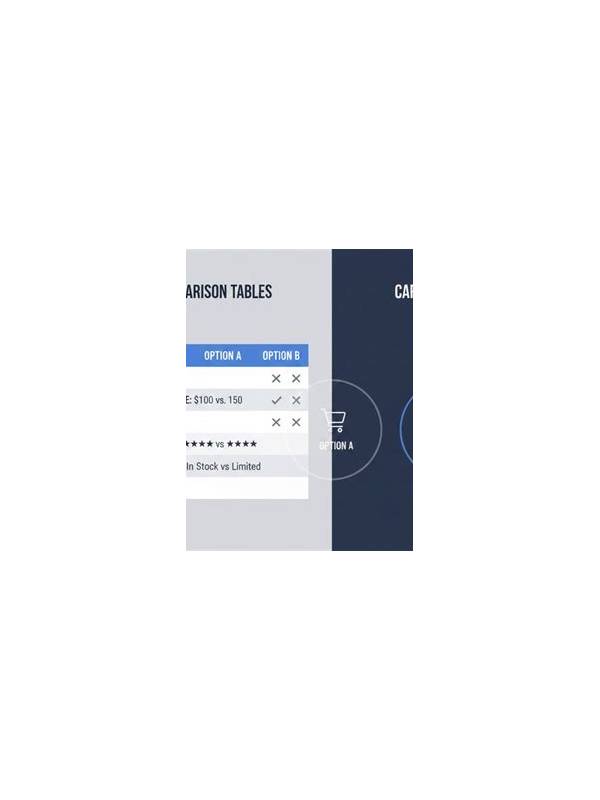
Visual layouts and written plans solve different problems. Arranging cards by suit or group makes relationships easy to see. A written plan records why a route matters, what card is weakest, and when you will reassess it. Using one method exclusively can leave a blind spot.
A visual layout is fastest during a live turn. It can reveal a near-sequence, duplicate rank, or isolated card without requiring many words. It also reduces memory load when the hand is crowded. The limitation is that a neat arrangement can look more certain than it really is. Cards may appear grouped even when the missing connections are unlikely.
A written plan is slower but more explicit. A note such as “primary route needs one of three cards; backup protects validity” captures uncertainty and priorities. Written notes are particularly useful during practice or after a hand, when the goal is to understand a decision rather than act quickly. Their limitation is that too much writing can distract from the live table.
Combine the methods with a compact routine. First arrange the cards so the current structure is visible. Then write or mentally state three items: the strongest group, the weakest card, and the review condition. The visual layout handles relationships; the plan handles timing and risk.
Choose the method according to the situation. In a fast round, use a visual layout and a three-question mental check. In a study session, write the alternatives and compare the results. On a small screen, keep the grouping simple so important cards are not hidden by decorative sorting or cramped labels.
The best method is the one that makes the next decision clearer without creating new confusion. Layout shows what is connected. A plan explains what deserves attention. Together they turn a hand from a pile of cards into a set of tested choices. Avoid making either method decorative. Sort cards only as much as it helps you see the next decision, and keep notes short enough to review. If the layout or journal becomes a task of its own, simplify it. The purpose of both tools is attention: they should reveal structure while leaving mental space for rules, timing, and responsible limits. Review both tools after a hand and remove anything that did not improve a decision. A lighter system is easier to repeat and therefore more valuable over time.
Related Post
Rummy Guide: Use a Decision Log to Review Finished Hands
A short decision log turns finished rummy hands into specific lessons instead of broad impressions [...]
Rummy FAQ: Why Is a Nearly Complete Sequence Not Always Strong?
A near sequence can still be weak when its missing card, cost, or alternatives are [...]