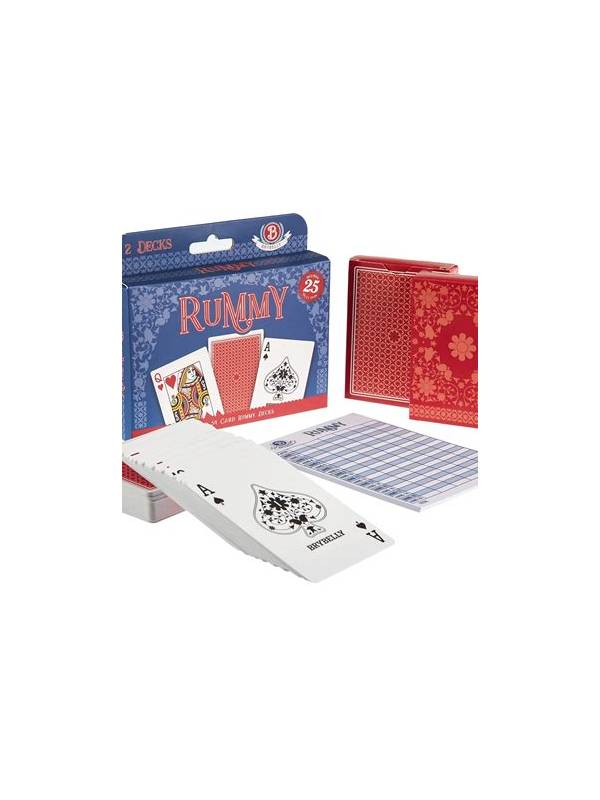
Rummy Safety: Confirm Transaction Details Before Tapping Pay
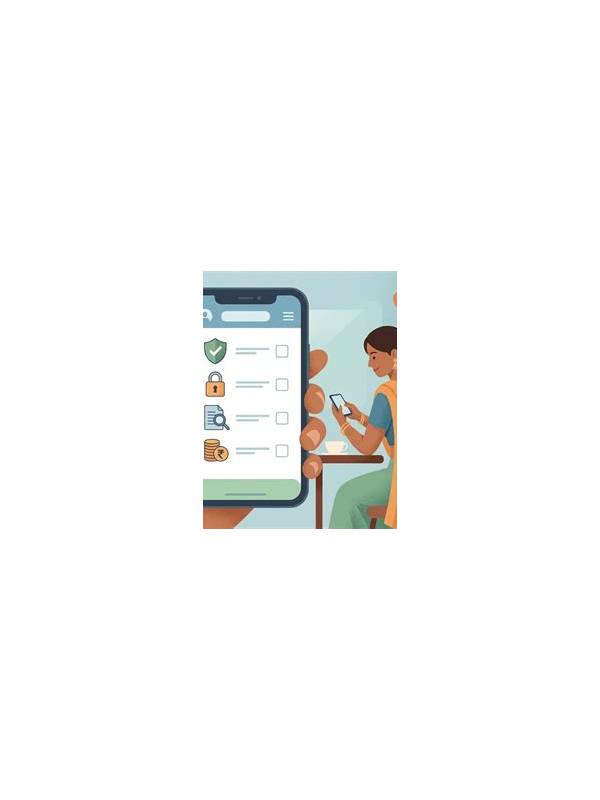
Payment screens deserve the same attention as account screens. Before confirming a deposit or purchase in a game app, review the amount, currency, recipient, and payment method. A familiar interface can still contain a mistaken selection or an unexpected fee.
Check the total rather than only the headline amount. Taxes, service charges, conversion costs, or subscription terms may appear below the main figure. If the currency is unfamiliar, convert it using a trustworthy source before approving. Do not rely on a promotional label that hides the final total.
Confirm that you are using the intended account and payment route. Shared devices can retain another person’s account, and saved cards can make an unintended selection easy. If the screen shows a different name, email, or last-four identifier than expected, cancel and correct it before continuing.
Use official payment pages and secure device settings. Avoid entering card details into a link received in an unsolicited message. Never share one-time codes or passwords with someone claiming to be support. Legitimate support should not need your authentication secrets.
Save the receipt or transaction reference without storing unnecessary sensitive information. If the balance does not update, do not immediately submit another payment. Check the transaction history, wait for the stated processing period, and contact official support through the app or verified website.
This review takes a few seconds and creates a useful pause between intention and confirmation. If the amount, destination, or terms are unclear, stop. A delayed transaction is safer than trying to reverse one after it has been completed.
Check your account history after the transaction, especially if the payment was interrupted or the connection was unstable. Keep the confirmation number and the support channel used. If you see an unfamiliar charge, contact the payment provider and the platform through official channels promptly. Do not respond to a stranger who offers to “refund” you in exchange for remote access, a password, or a verification code. Clear records make legitimate troubleshooting easier and help expose fraudulent requests.
If a payment page repeatedly fails, stop rather than trying many variations in quick succession. A pause gives pending authorizations time to appear and prevents duplicate submissions.
Use device lock, screen privacy, and transaction alerts where available. These basic controls help you notice unexpected activity without exposing full payment details to people nearby.
Finally, read confirmation messages carefully before closing the page. A clear record of what was requested, when, and through which account makes any later dispute much easier to explain.
Related Post
Rummy Safety: Know When to Leave a Frustrating Session
A clear exit rule protects your time, money, and judgment when a rummy session stops [...]
Rummy FAQ: Can a Sequence Change Its Role Mid-Hand?
A sequence can shift from a primary completion plan to a backup or finished group [...]