Rummy Table Choice: Compare Pace, Stakes, and Clarity
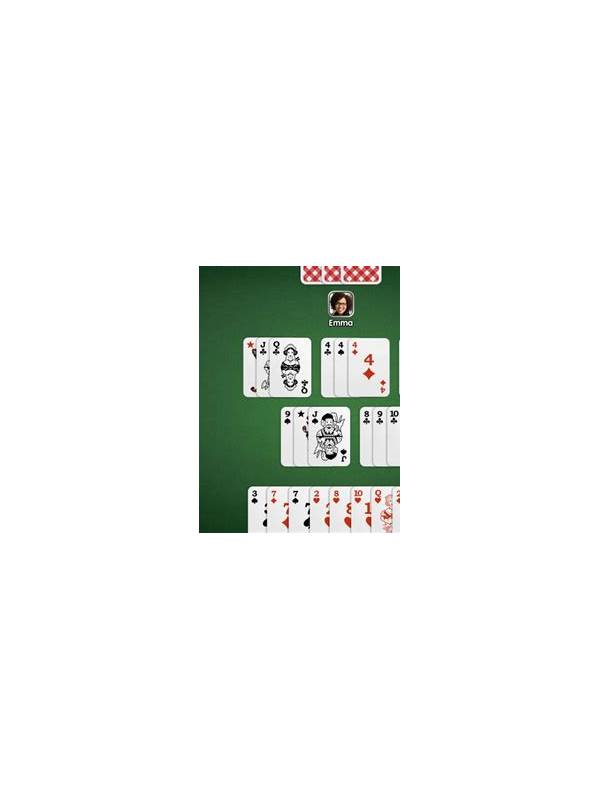
Choosing a rummy table is more than selecting the lowest entry number. The table’s pace, rules, player count, and interface can all affect the quality of your decisions. A suitable table gives you enough time to understand the action and keeps the financial exposure within your plan.
Check the format before joining. Confirm the number of players, scoring method, buy-in or entry amount, and what ends the hand or match. A familiar name can still hide a rule variation. Read the information panel rather than assuming that every table uses the same declaration requirements.
Evaluate pace honestly. A fast table may be exciting, but it leaves less time to sort cards and verify a discard. A slower table can be better for learning, reviewing the interface, or playing on a small screen. If the timer feels tight during practice, choose a setting with more thinking time instead of hoping pressure will solve itself.
Consider the full cost. Look for entry fees, service charges, minimum balances, and any conditions on credits. Set a maximum amount before joining and avoid moving to a larger table because an earlier result was disappointing. The best table is one you can leave without needing a win to justify the session.
Clarity matters as much as price. A readable card layout, visible discard history, and clear action buttons reduce preventable mistakes. If the screen is crowded or the connection unreliable, leave before committing to a hand when possible. Technical uncertainty is a poor reason to increase stakes.
Finally, match the table to your purpose. Practice, social play, and competition have different needs. Write down what you want from the session, then choose the smallest setting that supports it. A thoughtful table choice makes the game easier to understand and keeps decisions aligned with your limits.
When comparing two tables, write the differences in a small grid: format, player count, timer, entry cost, and exit conditions. This prevents a bright banner or recent result from making the decision for you. Ask whether the table supports your current skill level and attention span. If you cannot find a clear answer to a basic rule or cost question, treat that uncertainty as a reason to wait. Transparency is part of a good playing environment. When comparing two tables, write the differences in a small grid: format, player count, timer, entry cost, and exit conditions. This prevents a bright banner or recent result from making the decision for you. Ask whether the table supports your current skill level and attention span. If you cannot find a clear answer to a basic rule or cost question, treat that uncertainty as a reason to wait. Transparency is part of a good playing environment.
If the comparison remains unclear, choose the option with lower exposure and clearer rules until you have more information.
Related Post

Rummy Comparison: Private Notes Versus Memory After a Hand
Comparing brief notes with unaided memory shows why a small review record can improve rummy [...]
Rummy Tips: Give Every Flexible Card an Expiration Point
Flexible cards are valuable, but keeping them forever can prevent a hand from becoming clear [...]