Rummy FAQ: What Is a Decision Checkpoint?

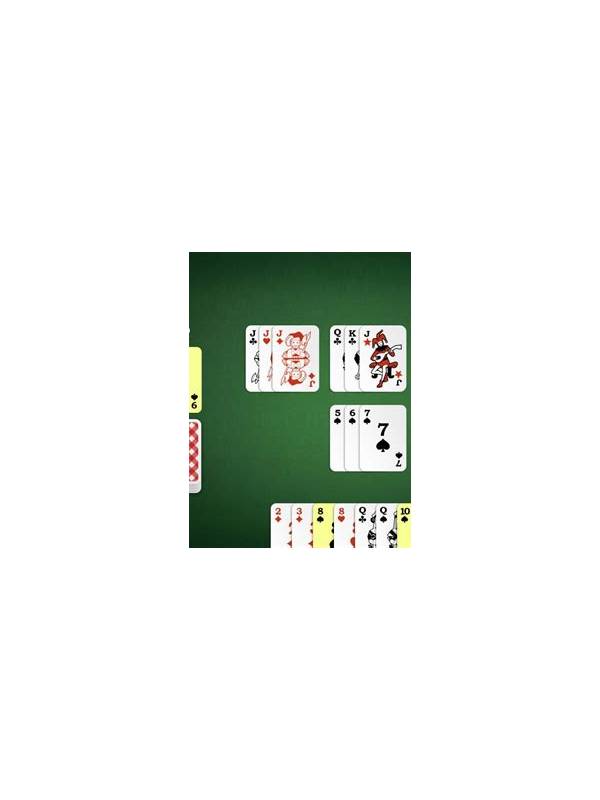
What is a checkpoint? It is a specific moment when you pause briefly and review the current hand. The checkpoint can occur after a draw, after a joker changes a group, or after a planned number of turns. It is not a long analysis; it is a guard against continuing an outdated plan.
Why is it useful? A route can feel stronger simply because you have invested time in it. A checkpoint asks whether the evidence still supports the route. It separates commitment from habit and makes it easier to abandon a plan without feeling that the earlier choice was wasted.
What questions should I ask? Use three: What improved? What became less likely? What is my safest alternative? “Improved” could mean a card gained a second connection. “Less likely” could mean a needed card was discarded or the hand now depends on an exact draw. The alternative might be a different group or simply reducing a high-cost card.
How long should it take? In a normal turn, a few seconds is enough. Use a longer checkpoint only during practice or review. If the clock is short, protect the basic routine: identify the new card, compare two discard candidates, and choose within your rules.
Can checkpoints make play too slow? They can if you trigger them on every minor thought or record too much detail. Choose natural triggers in advance. For example, reassess after the first few draws, whenever a joker is placed, and when a route needs one exact card. Outside those moments, use your normal fast filter.
What should I record afterward? Write the trigger, the route you were considering, and whether you changed it. Avoid judging the decision only by the result. A checkpoint that correctly identified a weak route was useful even if a lucky card would later have completed it.
Checkpoints work because they give reassessment a place in the routine. They make flexibility deliberate instead of leaving it to mood, surprise, or regret.
For practice, place a small mark beside the decision point in your notes and answer the checkpoint questions before reading further. In a live game, do not announce the checkpoint or use it to delay another player. A quiet glance and a consistent question are enough. If the format provides a timer, treat the remaining time as a boundary: a checkpoint should improve clarity, not become an excuse to search endlessly for certainty that the game cannot provide.
Related Post
Rummy Safety: Keep a Clear Separation Between Play and Payments
Separating play decisions from payment actions helps reduce impulsive spending and makes account records easier [...]
Rummy Endgame Guide: Protect Validity Before Chasing Speed
Near the end of a rummy hand, preserving a valid structure is usually more useful [...]