Rummy How-To: Compare Two Hands Before Choosing a Table
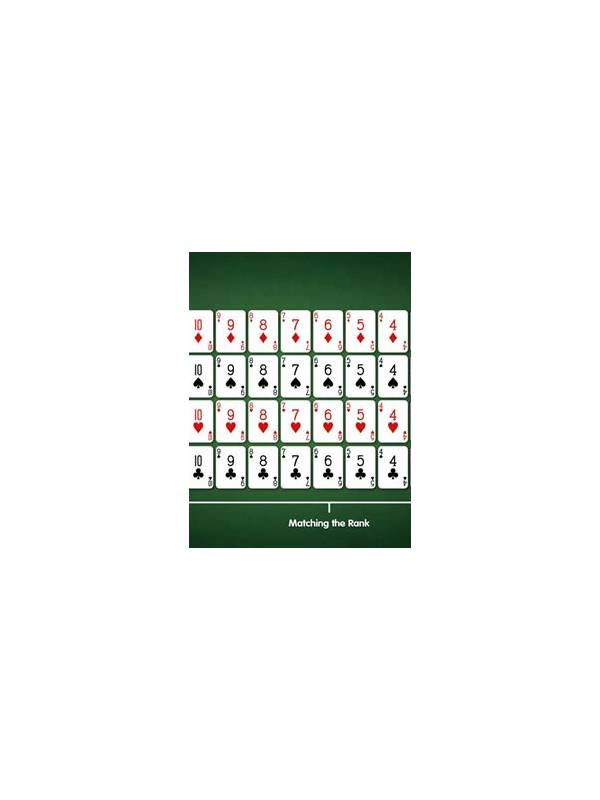
Choosing a rummy table is not only about the advertised format or entry amount. The pace, rule set, and hand complexity also matter. One useful preparation exercise is to compare two sample hands before you join. This lets you test your attention and understanding in a low-pressure setting.
Start with a hand you can read comfortably. Sort it, identify likely groups, and explain what you would protect and discard. Record how long the review takes. Then use a second hand with a different shape: perhaps one with several pairs, more isolated cards, or a possible joker decision. Do not score yourself by whether your imagined plan would win. Instead, note whether you can describe your reasoning clearly.
If both hands feel manageable, examine the table conditions. A fast table may allow less time to repeat that process. A format with unfamiliar scoring may add another layer of concentration. If you struggled to understand the sample hand, a slower practice mode or a lower-pressure table may be more appropriate while you learn.
Compare four features. First, compare decision speed: can you reach a provisional discard without panic? Second, compare rule confidence: do you know what makes a sequence, set, and declaration valid in that format? Third, compare attention: can you notice the open pile and timer while maintaining your own hand? Fourth, compare emotional response: does a difficult hand make you curious or make you feel pushed to act impulsively?
This exercise is especially useful after an app update or when moving between variants. Similar names do not guarantee identical scoring, joker rules, or turn limits. Read the rule screen and use a practice hand where available. A few minutes of preparation can prevent an avoidable misunderstanding.
The comparison should guide your table choice, not become a test of personal worth. Everyone has hands that are difficult to read, and randomness will always affect outcomes. Pick conditions that give you enough time to follow the rules, protect your limits, and make decisions you can review later.
You can repeat the exercise on different days because attention changes with sleep, noise, and workload. If a familiar sample suddenly feels difficult, that is useful information. Choose a lighter activity or postpone the table rather than treating tiredness as a challenge to overcome.
Also compare how clearly the table displays rules and status information. A clean interface can reduce avoidable confusion, while hidden conditions may make a familiar hand feel harder than it should. Clarity is part of choosing a suitable playing environment.
Related Post

Rummy Comparison: Fast Review Versus Deep Review
Match the depth of a rummy review to the decision’s importance and the time available. [...]
Rummy FAQ: How Can Beginners Avoid Overplanning?
Beginners can simplify rummy by choosing one primary route, one backup, and one clear discard [...]