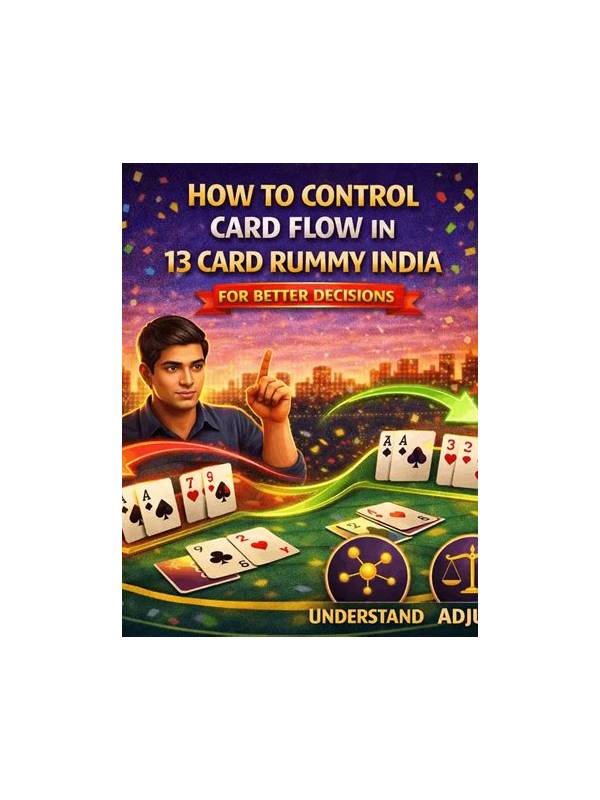
Rummy Card Clusters: Find the Strongest Structure First
When a rummy hand arrives, it is tempting to look for one obvious pair and start building around it. A better first step is to scan the entire hand for clusters: small groups of cards that have more than one possible connection. This does not predict the next draw, but it gives you a clearer starting map.
Begin by placing cards in groups according to rank relationships and suits. A connected cluster might contain consecutive cards in one suit, a same-rank group, or a card that supports both ideas. Mark cards that appear in two possible groups. These are your flexible cards. Then mark isolated high cards and pairs with only one realistic extension.
The strongest structure is not always the largest group. A three-card run may be more useful than a four-card collection if the run is already legal or needs only one narrow improvement. Conversely, a pair that can become either a sequence or a set may deserve protection because it gives you two routes.
After the scan, ask three questions. Which group is closest to completion? Which cards serve more than one group? Which cards create the largest penalty if they remain unmatched? These questions create a priority order without forcing you to commit immediately.
Suppose your hand has a short suited run, two cards of another rank, and two unrelated high cards. The run may be the safest foundation, while the pair is a secondary project. The high cards are candidates for removal, but check whether either one connects to a hidden possibility before discarding. The goal is not to preserve every idea; it is to preserve the best combination of legality, flexibility, and low risk.
Repeat the cluster scan after meaningful draws. A new card can merge two groups, weaken an old plan, or turn an isolated card into a useful connector. Keeping the same plan after the hand’s structure changes is often less sensible than reassessing.
Cluster scanning is a practical thinking tool, not a promise of success. It helps replace vague impressions with visible relationships. With practice, you can make the scan quickly and choose discards that simplify the hand while protecting its strongest route.
If you play on a phone, use a consistent visual arrangement so clusters remain easy to compare. Avoid rearranging cards so often that you lose track of the original hand. A stable layout makes your observations faster and reduces the chance of overlooking a card that belongs to two different groups.
Related Post
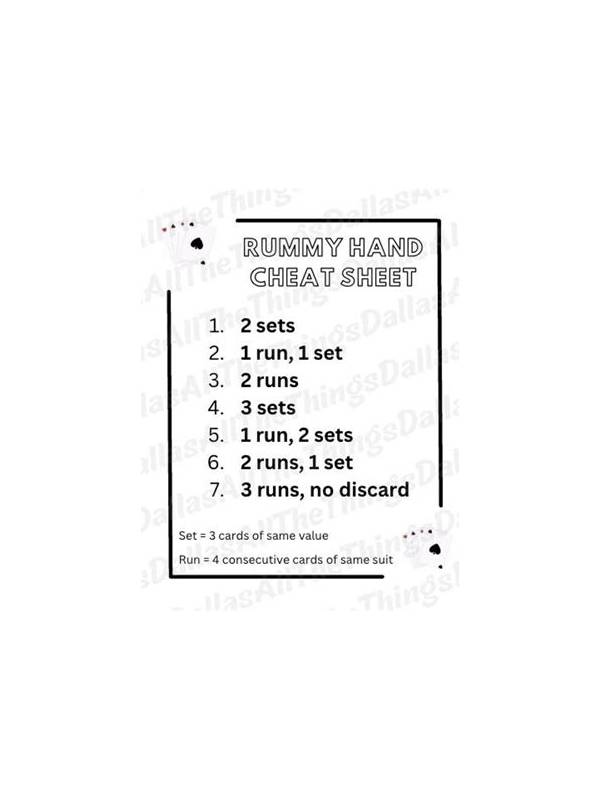
Rummy Tips: Compare Hand Shapes Before Counting Points
Looking at the shape of a hand before its point total can reveal which improvement [...]
Rummy Safety: Protect Your Attention During Long Sessions
Planned pauses and a comfortable playing environment help keep decisions deliberate during extended rummy sessions. [...]