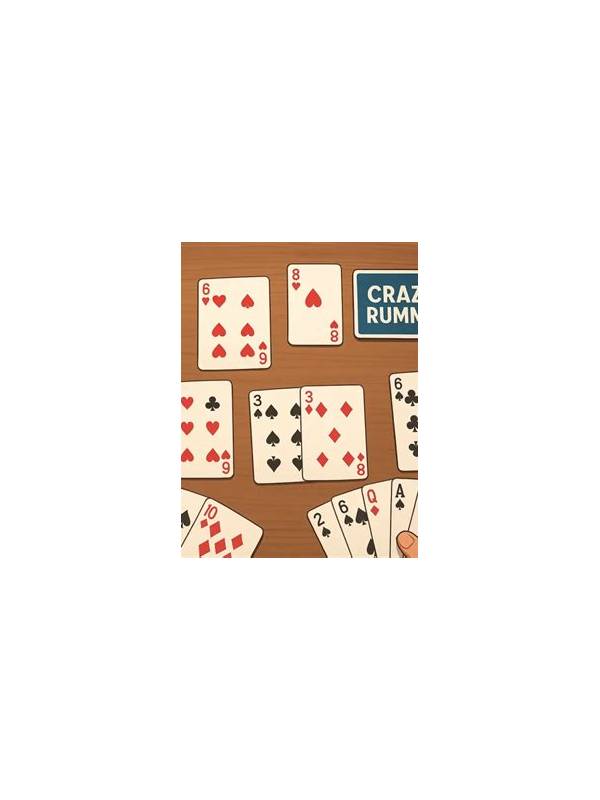
Rummy FAQ: Why Is a Pure Sequence So Important?
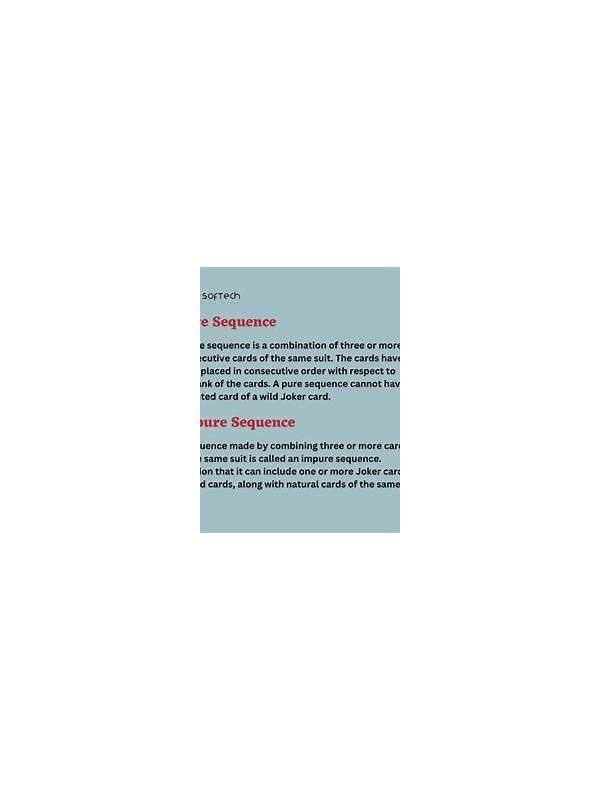
What is a pure sequence?
A pure sequence is a consecutive run of cards from the same suit made without using a joker as a substitute. In many Indian rummy formats, it is a required part of a valid declaration. The exact card count and rule wording can vary, so check the table’s current rules rather than relying on a general description.
Why build one early?
A pure sequence removes uncertainty from the hand. Once it is complete, you can direct attention to the remaining required sequence and any sets. Without one, a player may spend several turns improving groups that cannot satisfy the declaration condition. Building it early does not guarantee a win, but it gives the hand a stable foundation.
Should I always protect the first possible run?
No. A pair of connected cards is a possibility, not a finished plan. Compare it with other structures in the hand. A three-card pure sequence is usually a strong anchor, while two high cards separated by several gaps may not deserve long-term protection. Consider how many cards are still needed and whether keeping the pair blocks a better route.
Can a printed joker be part of it?
Rules differ, but a joker used as a substitute generally means the sequence is not pure. It may still help form another valid group, but it should not be counted toward the pure-sequence requirement unless the rules explicitly say otherwise. If uncertain, pause and read the help page before entering a paid contest.
What if I cannot find a pure sequence?
Sort the hand by suit and look for adjacent cards first. Keep the strongest short run, while avoiding a collection of unrelated cards built around a distant hope. Use the discard pile when a visible card directly completes the run, but do not chase it beyond a reasonable number of turns. A sensible stop point protects both your hand and your time.
Is a pure sequence valuable after it is complete?
Yes, but it does not mean the rest of the hand is solved. Recheck for a second sequence, valid sets, and loose cards. A completed foundation is a reason to simplify the remaining cards, not a reason to stop checking the rules.
The same principle applies when another player appears close to finishing. Do not abandon your own valid structure just to copy a visible discard pattern. Protect the pure sequence, reduce loose points, and use the remaining turns efficiently. If the format permits a drop or exit, understand its cost before selecting it; that choice is part of the rules, not a sign of failure.
Related Post
Rummy How-To: Test a Plan With a Neutral Draw
Imagining a neutral draw shows whether a rummy plan has resilience or depends on constant [...]
Rummy Practice: Predict the Next Useful Card
Predicting useful cards in a practice hand improves planning while teaching the limits of uncertain [...]