When to Reorganize Your Rummy Hand
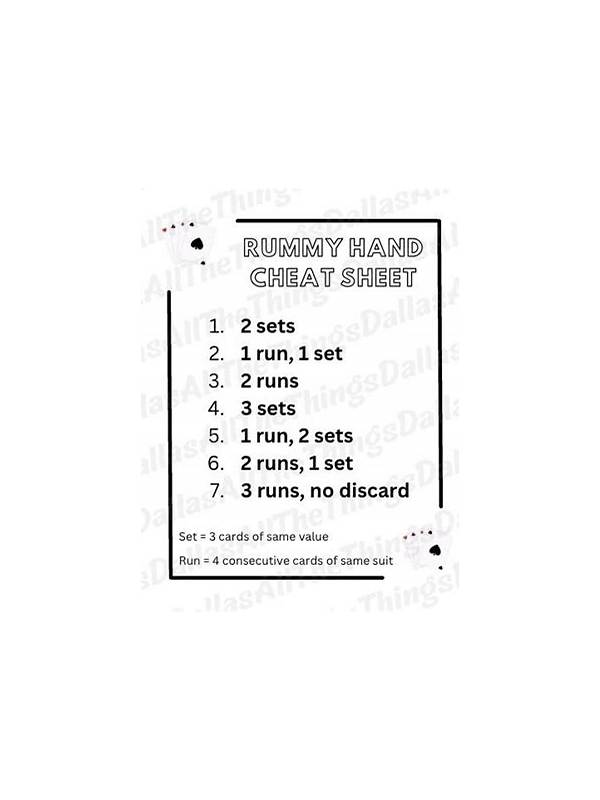
Hand organization is not just a visual preference. A tidy layout makes possible sequences, isolated cards, and expensive leftovers easier to compare. Reorganizing at the right moments can prevent an early idea from controlling every later decision.
The first checkpoint is immediately after the opening deal. Separate obvious groups from uncertain links, then place high-point cards where they remain visible. Avoid declaring a card “committed” simply because it matches one neighbor. A pair can become a sequence, a set, or nothing, so leave uncertain cards easy to move.
The second checkpoint follows a useful draw. If a new card creates a pure sequence, a second set route, or two credible extensions, rebuild the hand around that information. Put completed structures together, but keep unconfirmed combinations slightly apart. This distinction helps you avoid treating a possibility as a fact.
The third checkpoint occurs after a disappointing draw. Do not keep the layout unchanged just because you spent several turns pursuing it. Ask which cards now have the fewest realistic uses. If a route needs two specific unseen cards, while another route needs one of several cards, the flexible route deserves more space in your thinking.
Reorganize before a high-stakes discard as well. Count the points that would remain if the hand stopped developing. Then inspect whether the card you plan to release is a useful bridge for more than one structure. A layout that shows both point exposure and flexibility makes the discard less emotional.
Digital tables may sort cards automatically, but automatic sorting is not always strategic sorting. Grouping by suit can show runs; grouping by rank can show sets. Switch viewpoints when you feel stuck. The best arrangement is the one that answers the current question quickly.
Do not reorganize after every single card if it slows you down. Use the checkpoints as prompts, not rigid rules. A consistent visual routine reduces confusion, leaves more attention for the discard pile, and makes post-hand review much more accurate. A useful layout keeps confirmed structures at one edge, flexible connectors in the center, and isolated or high-point cards at the other edge. Consistency lets your eyes find priorities quickly and shows when a possibility has become a commitment. On a small screen, use spacing only when it remains clear, and avoid dragging cards repeatedly while the clock runs. Organization should make recognition faster, not become another distraction. The layout is a tool, not a strategy by itself.
Related Post
Rummy Safety: Make a Budget Before a Competitive Session
A pre-session budget can keep entertainment spending separate from impulse decisions during online play. [...]
Rummy Guide: Use a Neutral Reset After a Surprising Draw
A simple reset routine for handling lucky, unlucky, or confusing draws without losing decision quality. [...]