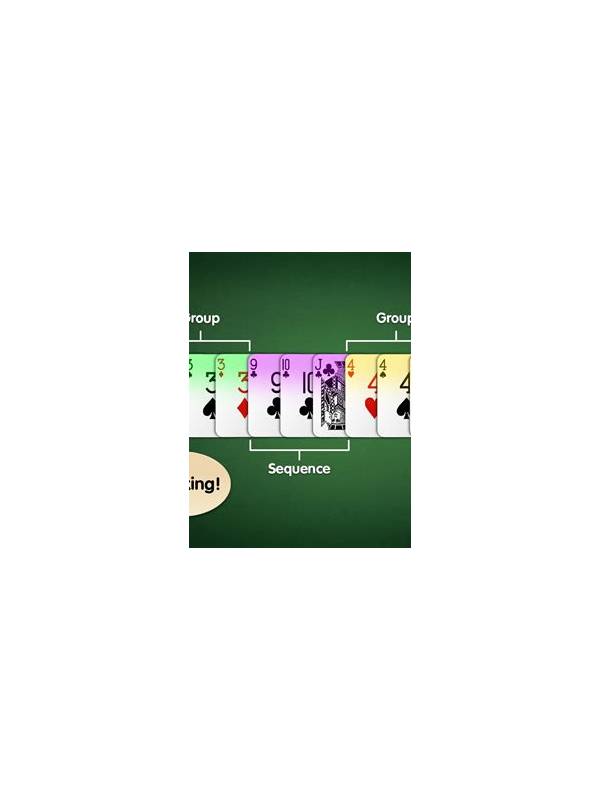
Rummy FAQ: Can a Low Card Still Be Dangerous?

Low cards are often treated as harmless in rummy because they usually carry fewer penalty points than face cards. That assumption can be useful, but it is incomplete. A low card may be valuable to an opponent, may block your most efficient sequence, or may encourage you to keep a weak plan for too long. Its risk depends on context rather than printed value alone.
Consider a low card that connects naturally with two cards already visible in your hand. It may be part of a strong sequence, so discarding it simply because it scores little could destroy your best route. Conversely, a low card sitting alone may be safe to release, but check whether it is adjacent to cards an opponent has recently collected. The discard pile can change the answer.
Low cards can also be dangerous because they create false comfort. A hand containing several small unmatched cards may look inexpensive while becoming increasingly difficult to organize. If those cards do not share suits or ranks, they are still dead weight. Count potential connections instead of relying on the number printed in the corner.
Another issue is information. A low card may be a natural completion for a common starting sequence. Throwing it away can tell an observant player that you do not need that suit or rank. No discard is perfectly private, but you can avoid making the same obvious signal repeatedly when another discard has similar cost.
Before discarding a low card, ask three questions. Does it belong to a valid group or a credible two-card plan? Has another player shown interest in nearby cards? If I keep it for two more turns, what specific improvement am I expecting? If the answers are unclear, the card may be less useful than its low score suggests.
The safest habit is to evaluate card value in layers: penalty, flexibility, opponent relevance, and effect on your whole arrangement. Low cards are often good candidates for release, but they are not automatically safe. A calm check prevents a small number from hiding a large strategic cost. Rules and scoring systems can differ, so confirm the local definition of a valid combination and the penalty for an ungrouped card. The method remains useful when details change: inspect the card’s role, connections, and effect on the whole arrangement. This keeps the method practical, focused, and easy to apply during the next ordinary turn.
Related Post
Rummy Tips: Notice When a Card Serves Two Different Roles
Learn how to evaluate cards that can support more than one possible grouping. [...]
Comparing Mobile and Desktop Rummy Play
Mobile and desktop rummy each offer practical advantages, so the best choice depends on control, [...]