Rummy Turn Order and Information Advantage
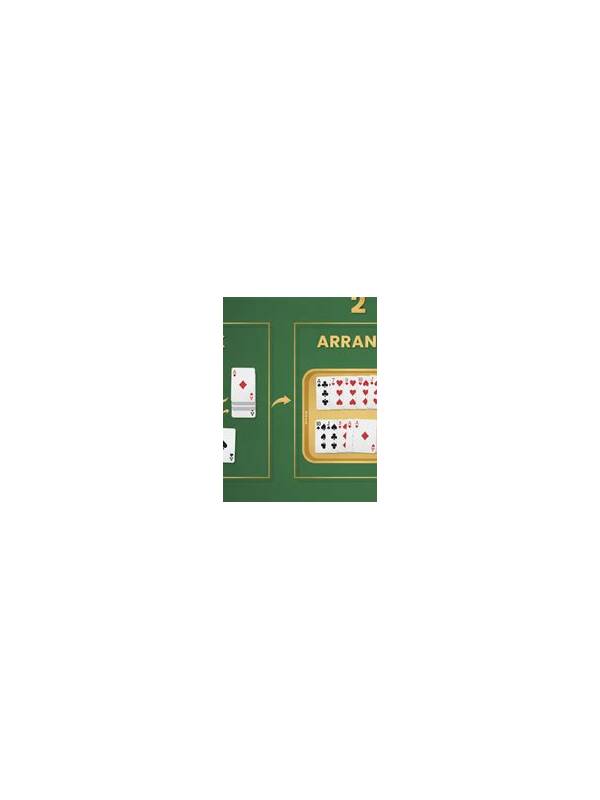
Turn order affects more than speed. It changes how much public information you see before acting and how many players may respond to a visible discard. Paying attention to position can improve awareness without requiring complicated calculations.
When you act early in a round, you have less recent information about what others want. Your discard may remain visible through several turns, so avoid giving away a card that obviously completes a common pattern when another discard is comparable. Keep the decision based on your hand first, then use public clues as a tie-breaker.
When you act later, observe the intervening draws and discards carefully. A player taking from the visible pile gives a stronger clue than a player drawing from an unknown deck, although the clue is not definitive. Notice whether the taken card seems to connect to a neighboring discard or a repeated rank. Use observations to narrow possibilities, not to invent certainty.
Your position can also change the value of waiting. If several players will act before your next turn, a flexible hand may be useful because more information will arrive. If you are about to face a long wait while holding costly isolated cards, reducing point exposure may deserve priority.
Do not let turn order override the rules or your own valid route. A speculative attempt to block another player can damage your hand. The strongest decision is usually the one that improves your position while avoiding an unnecessary gift.
After a session, review whether you noticed position consistently. Remember that an unseen draw supplies no evidence that a player lacks a route; silence is not safety. A simple note such as “two players before me” can explain why a discard felt safe or risky. With practice, turn order becomes part of your normal scan rather than a source of last-second panic. During practice, record one public action from an intervening turn and whether it changed your choice. Your own legal route remains the primary priority. Observation should inform a decision, not replace it. Use position as one input among rules, points, hand structure, and the visible pile. Good observation narrows choices without pretending to predict hidden cards. Position changes context, but it does not eliminate uncertainty. The strongest response to uncertainty is a repeatable check, not a confident guess. Keep the observation useful and brief so it does not slow the turn.
Related Post
Rummy Comparison: Manual Notes Versus Memory Alone
Comparing simple notes with memory-only play shows when recording information can support learning without replacing [...]
Rummy FAQ: Why Can a Safe Discard Still Be Unhelpful?
A discard can reduce your immediate risk yet still give up flexibility or useful information. [...]