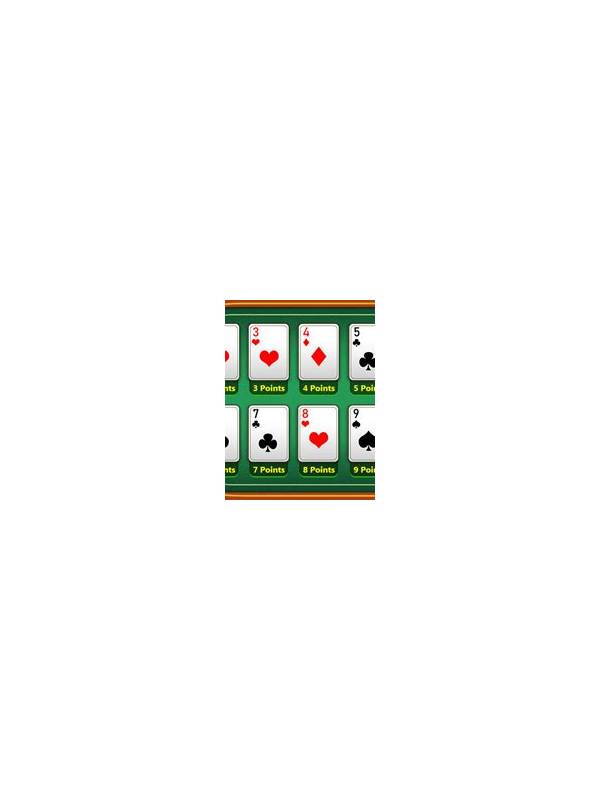
Rummy Guide: Use a Three-Question Opening Scan
The opening of a rummy hand often feels like a race to arrange every card. A better approach is to pause for a small scan. You do not need a complete plan immediately. You need enough information to choose a sensible first direction and avoid protecting a weak idea simply because you noticed it first.
Start by asking three questions. First, do you already have a confirmed group, such as a valid sequence or a promising set? Second, which cards have more than one useful connection? Third, which cards would be expensive to keep if the next few draws do not help? These questions separate structure, flexibility, and risk.
Look at confirmed structure before counting possibilities. A completed sequence is more valuable than a collection of attractive pairs because it gives your hand a foundation. If you have no confirmed structure, identify the closest candidate and note what it needs. A two-card sequence may be useful, but it is still unfinished. Keep that distinction visible in your thinking.
Next, mark flexible cards. A middle rank can often connect on two sides, while an edge card may have only one natural neighbor. A duplicate rank may support a set, but keeping both copies can reduce your options if the suit arrangement is poor. Flexibility is not a promise of success; it is simply a reason to delay a discard while you gather evidence.
Finally, inspect expensive cards. High-point cards with no clear role deserve attention, especially when they are not close to a sequence or set. Do not discard automatically. Compare each candidate with the card you would lose by drawing from the open pile or with the chance of improving an existing plan. The aim is to release the weakest commitment, not merely the highest number.
Repeat the scan after a few turns. New information can change which card is flexible and which plan is realistic. A calm three-question routine makes the opening less noisy and gives every discard a reason.
One useful variation is to say the answers aloud during practice. “One confirmed group, two flexible cards, one expensive card” is easier to act on than a vague feeling that the hand is promising. If the answers change after the draw, that change is information rather than a failure of the original scan. The routine keeps you responsive while limiting unnecessary analysis. The scan is most valuable when it produces a discard reason that another person could understand. If you cannot explain why a card is expensive, flexible, or confirmed, pause before committing. This does not require perfect certainty. It only requires distinguishing a fact from a hope. With repetition, the opening becomes a quick map of the hand rather than a scramble to sort every card at once.
Related Post
Rummy App Data Usage: Keep Mobile Sessions Predictable
A few device and app settings can make mobile rummy sessions easier to monitor on [...]
Rummy Safety: Recognize Suspicious Requests During Online Play
Protect your account by identifying unusual requests for codes, payments, or personal information while playing [...]