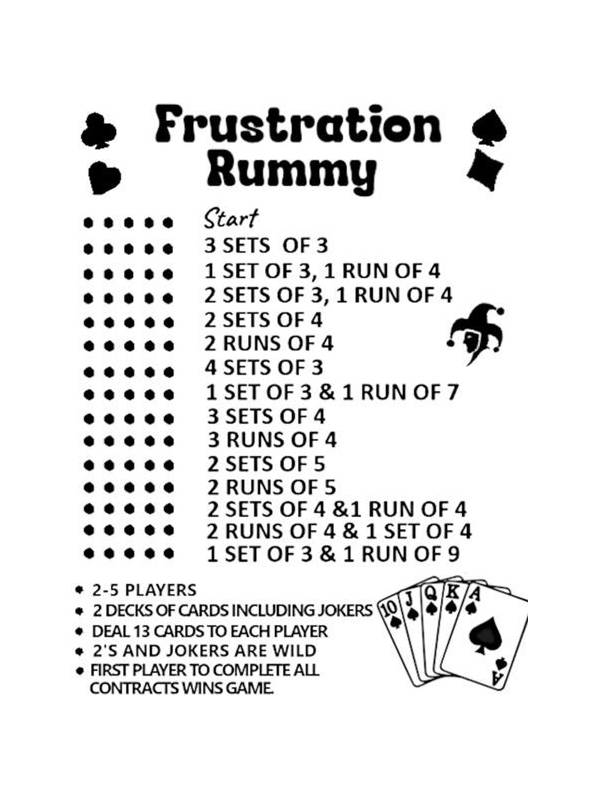
Rummy How-To: Build a Reliable One-Card Improvement Test

A one-card improvement test helps when several cards look equally playable. Instead of asking which card is beautiful in isolation, ask what one additional card would do for it. The test is especially useful for choosing between a pair, a short sequence, and an unassigned high card.
Start with one candidate card. Write or imagine the most realistic cards that could improve its position. For a middle card, these may include neighboring ranks in the same suit and a matching rank for a set. For an edge card, the list is usually narrower. Do not include every mathematically possible card if the route would require breaking a strong group or ignoring the visible information.
Repeat the same exercise for the other candidate. Compare the number of plausible improvements, but also compare what happens if none arrives. A card that has three possible improvements may still be a poor keeper if it blocks a confirmed sequence. A card with one improvement may be worthwhile when that improvement completes an important foundation.
Add a risk question: if you keep this card for two turns, what are you giving up? The opportunity cost may be a discard that carries fewer points, a card that can protect a flexible route, or the chance to take a useful visible card. The test is not a promise that the best-looking candidate will succeed.
Use a stopping rule. Once you have compared two or three cards, decide and move on. Rechecking the same alternatives can create hesitation without adding evidence. During review, record whether you overvalued the number of possible improvements or failed to consider the cost of keeping the card.
The one-card test works because it narrows a vague judgment into a repeatable question: what can this card realistically become, and what does keeping it prevent? The test is also useful when a visible discard looks attractive. Apply the same questions before taking it: what does it improve, which card must leave, and how many future routes remain afterward? A visible card can feel valuable merely because it is available. Comparing it with the whole hand keeps availability from replacing judgment. During a close decision, write the test in a single sentence: “If this card stays, it can improve through these routes, and the cost is this.” The sentence exposes vague optimism quickly. It also makes later review fair because you can compare the expectation with what actually happened. The goal is disciplined comparison, not a guarantee that the selected card will arrive.
Related Post
Rummy Comparison: Single-Card Hopes Versus Multi-Route Value
Compare a narrow draw that needs one card with a flexible card that supports several [...]
Rummy FAQ: Why Does a Backup Plan Need Its Own Discard?
Discover how a backup plan can remain useful without keeping every card for every possibility. [...]