Rummy Timing: Separate Default Discards From New Evidence

A planned discard is selected before the next draw because a card has already lost its role. A reactive discard is chosen after new information changes the hand. Both are legitimate. The problem is treating every discard as reactive and allowing the latest draw to control the whole plan.
Planned discards are useful when you have a clear queue. For example, an isolated high card may be first, followed by a redundant low card that no longer supports any route. A queue reduces decision pressure and prevents you from repeatedly reconsidering a weak card simply because it remains in your hand.
Reactive discards are necessary when the board changes. A draw may complete a group, reveal a better route, or show that a previously attractive connection is too expensive. In those cases, following the old queue mechanically can be worse than updating it. The new card should be compared with the planned discard, not automatically protected.
To choose between the two, ask what new evidence appeared. If the draw did not change the structure, follow the queue unless there is a strong safety reason to deviate. If it changed the structure, rebuild the queue briefly. Keep the comparison concrete: which card has a confirmed role, which card has a realistic improvement, and which card creates the greatest cost if retained?
Planned discards are not predictions of the future. They are a way to manage attention. Reactive discards are not excuses for impulsive play. They are updates based on evidence. Keeping both categories separate makes post-hand review clearer because you can ask whether the plan was poor or whether the update was missed.
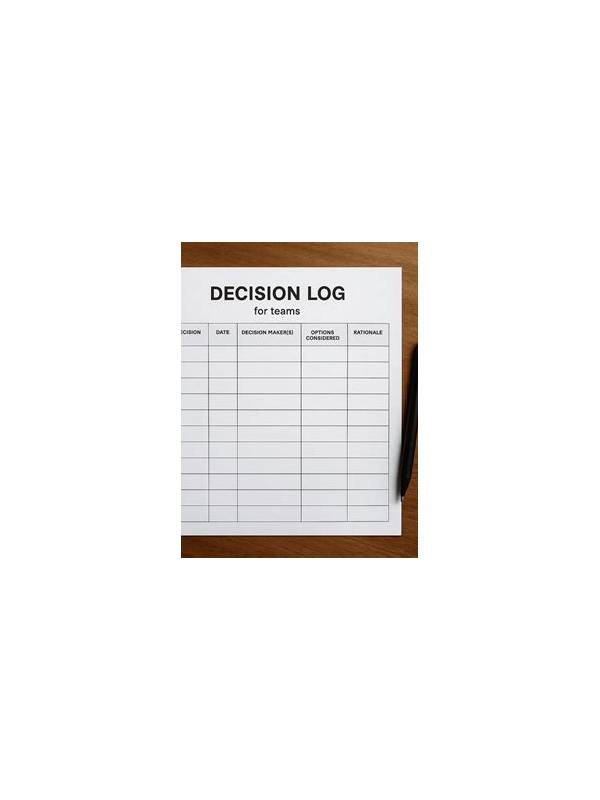
In practice, write down one planned discard before a session and one reason that would justify changing it. This small experiment teaches you to stay consistent without becoming rigid. Keep the queue short, perhaps two cards rather than the whole hand. A long queue creates false certainty because every new draw can change the order. The short version gives you a default while preserving attention for meaningful information. In review, compare the planned card with the card you actually discarded and explain the change in one sentence. Reactive choices should still be documented when they matter. A note such as “changed queue because the draw completed a group” is enough. If you cannot name the new evidence, the change may have been emotional rather than strategic. Over time, comparing planned and reactive decisions shows whether you update too slowly, too often, or at an appropriate pace.
Related Post
Rummy Table Selection: Matching Session Length to Your Available Time
Choose a table and format that fit your available time so you can finish without [...]
Rummy Guide: Annotate the Discard Pile in Three Layers
A three-layer discard review keeps visible information useful without turning the round into an exhausting [...]