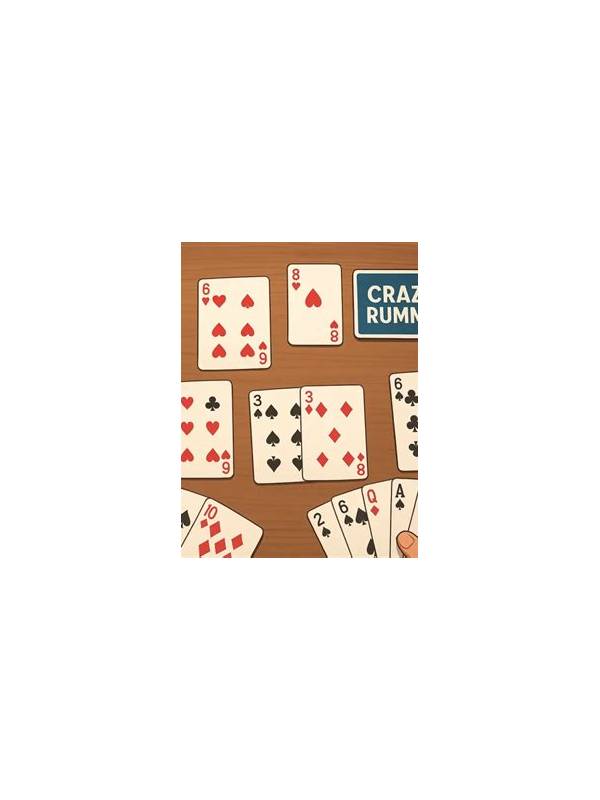
Rummy Practice: Reconstruct a Hand From Decision Points
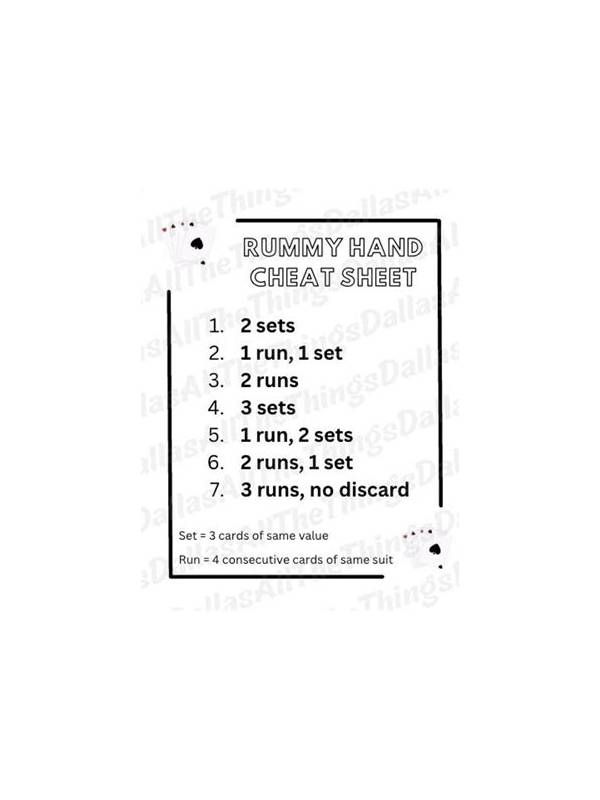
Full hand reconstruction can be tiring and inaccurate. A decision-point reconstruction is more practical. It records the opening shape, the largest change, and the final verification. These three moments often contain enough information to reveal a habit worth testing.
For the opening, note the strongest route, the weakest card, and one alternative. Do this before looking at the eventual result. The goal is to capture the initial problem while the information was limited. If the opening was unclear, record that uncertainty rather than forcing a confident story.
For the largest change, identify the turn when the hand’s direction shifted. A useful card may have created a route, or a failed draw may have closed one. Write what you knew, what you chose, and what you considered instead. This is the point where attachment and overreaction are often easiest to see.
For the final stage, note whether you performed a legal verification before acting. Check groups, duplicate use, wild-card treatment, and any variant-specific requirement. Do not use a correct final hand to excuse a rushed process, and do not use a poor result to erase a careful check.
Compare reconstructions after five hands. Look for repeated delays, automatic discards, or missed review points. Choose one adjustment for the next set. This method keeps practice focused while respecting the limits of memory and the uncertainty of the deal. You can add a confidence label to each reconstruction: clear, close, or uncertain. The label describes the decision at the time, not the final outcome. Over time, compare whether uncertain moments were caused by the hand, incomplete rule knowledge, or rushing. Each cause suggests a different practice exercise, which makes the review more actionable. Avoid filling missing turns with imagined details. If you do not remember whether a card was visible, mark the fact as unknown. A reconstruction with honest gaps is more useful than a confident but invented sequence. You can still assess the major decision and the final check. If accurate records matter for a formal review, keep a private note during play that contains no sensitive account information. Otherwise, use reconstruction as a learning prompt rather than as a forensic record. The purpose is learning, not proving that every past choice was correct. Honest uncertainty leaves room for a better question at the next decision point and reduces hindsight bias. This restraint keeps the exercise honest and repeatable for future practice.
Related Post
Rummy Guide: Compare Two Possible Sequences Before Drawing
A quick comparison of competing sequence ideas can prevent a hand from drifting into unnecessary [...]
Rummy Tips: Use the Discard Pile Without Revealing Too Much
Balance the information gained from the discard pile with the information your own pickup may [...]