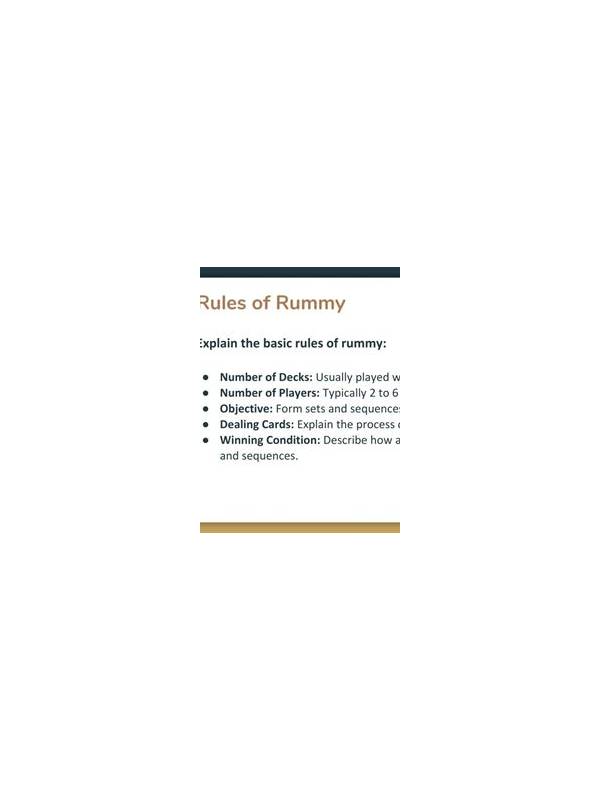
Rummy Comparison: Protecting Points or Protecting Routes

A player may face a choice between discarding a high-point card and discarding a card that supports a promising route. Protecting points limits exposure, while protecting routes preserves a chance to complete the hand. Neither priority is always correct; the rules, timing, and hand structure determine the balance.
Start by checking whether the high-point card has a realistic role. If it is isolated and unlikely to improve, releasing it may be sensible. If it connects two strong routes, its point value alone does not settle the decision. A low-point card can also be costly when it blocks the only practical structure.
Consider how many turns remain and what the alternative needs. A route that requires several improvements may not justify holding expensive cards late in a hand. Early in a hand, more waiting may be reasonable if the route has broad possibilities. The same cards can therefore receive different treatment at different times.
Use a two-line review: “cost if held” and “cost if released.” Include point exposure, lost flexibility, and effect on legal completion. This makes the trade-off visible and discourages slogans such as “always discard high cards.”
After the choice, review the reason rather than the result. A route can fail after a sound decision, and a point-saving discard can accidentally produce a win. Repeated comparisons across hands will show whether your default priority matches the situations you actually face. This comparison is particularly useful when a hand is near a stopping point. A point-saving move may limit damage, while a route-preserving move may still be justified if completion is realistic. State which objective you are pursuing before acting. Naming the priority prevents a later review from judging the choice by a different standard than the one used at the table. The comparison also changes with the table’s scoring system. A high card may carry a meaningful penalty in one format and a different consequence in another. Confirm the current rules before importing a familiar point-management habit. If the rules are unclear, ask for clarification before the hand begins. A decision cannot be evaluated fairly against a scoring standard that was never established. Clear expectations make the later review shorter and more objective. Once the scoring context is clear, make the priority explicit and accept that either route may fail. The review then asks whether the trade-off was reasonable, not whether luck approved it. That standard is fairer and more useful.
Related Post

Rummy Comparison: Single-Deck and Multi-Deck Decision Pressure
Single-deck and multi-deck rummy change how much duplicate-card information is available and how cautious a [...]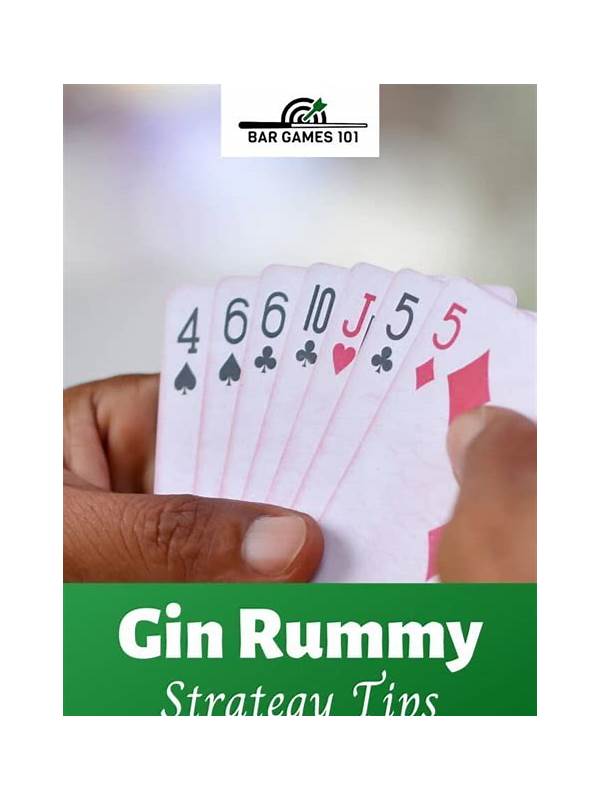
Rummy Strategy: Use Suit Distribution to Find a Safer Plan
Looking at how cards are distributed across suits can expose concentration, gaps, and practical sequence [...]