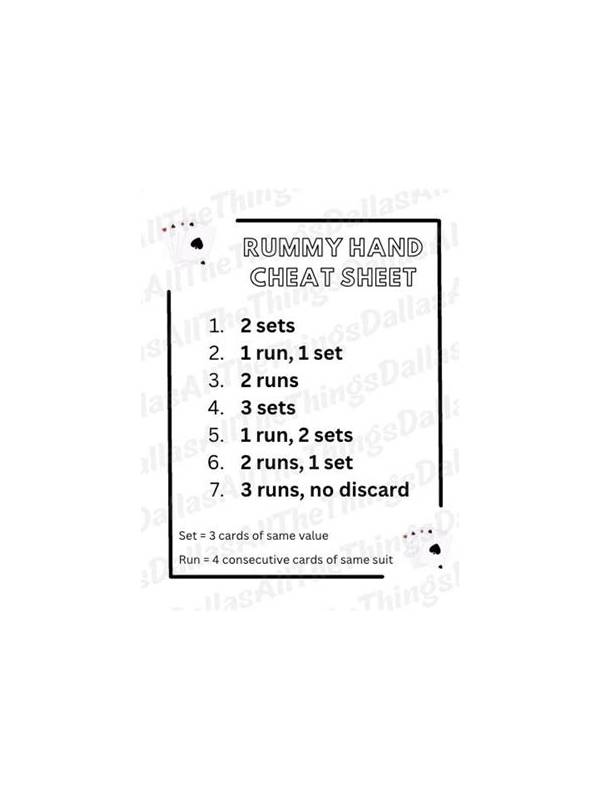
Rummy Tips: Track Unresolved Cards Without Guessing
Rummy rewards attention, but attention is not the same as certainty. After several turns, it is tempting to decide that another player must be collecting a particular suit or rank. That assumption can influence every discard that follows. A better habit is to track unresolved information: what you observed, what it might mean, and what remains unknown.
Start with three small categories. The first is confirmed information. These are cards you have seen in your hand, in the discard pile, or in an exposed meld. The second is a reasonable possibility, such as a card that may connect to a discard someone picked up. The third is unknown information. Unknown cards should remain unknown rather than being treated as evidence for a story.
This distinction is useful when choosing between two ordinary discards. Suppose you hold a seven and an eight of one suit, plus a high card in another suit. If the discard pile shows that several nearby cards have already appeared, the connected pair may be less flexible than it first looked. That does not prove the high card is safe to throw. It simply gives the pair a lower improvement expectation. Make the decision from your own hand first, then use observations as a secondary adjustment.
Keep notes mentally short. You do not need to remember every card. Track only unresolved questions that could change your next decision: Which of my groups still need one card? Which discarded card was picked up immediately? Which suit has become less available? If an observation cannot affect the next one or two turns, it probably does not deserve working memory.
Avoid reading intention into every action. A player may take a card for a sequence, a group, a defensive reason, or a temporary rearrangement. Even a correct observation can be badly used if it becomes a rigid prediction. Treat it as a weight on a choice, not as a command.
One useful discipline is to label an observation with a confidence level. “Seen” is certain, “plausible” is a working possibility, and “unknown” is not a weakness in your analysis. This vocabulary keeps incomplete information from becoming an invented fact, particularly when the table is moving quickly.
At the end of a hand, review one unresolved question. Ask whether you kept a card because of evidence or because of a guess. This review builds a more accurate information habit over time. The goal is not to become certain about hidden cards. It is to separate facts from possibilities so that your own choices remain clear, flexible, and proportionate to the evidence.
Related Post
Rummy Safety: Keep a Shared Device Session From Staying Signed In
A few simple checks can reduce account exposure when online rummy is played on a [...]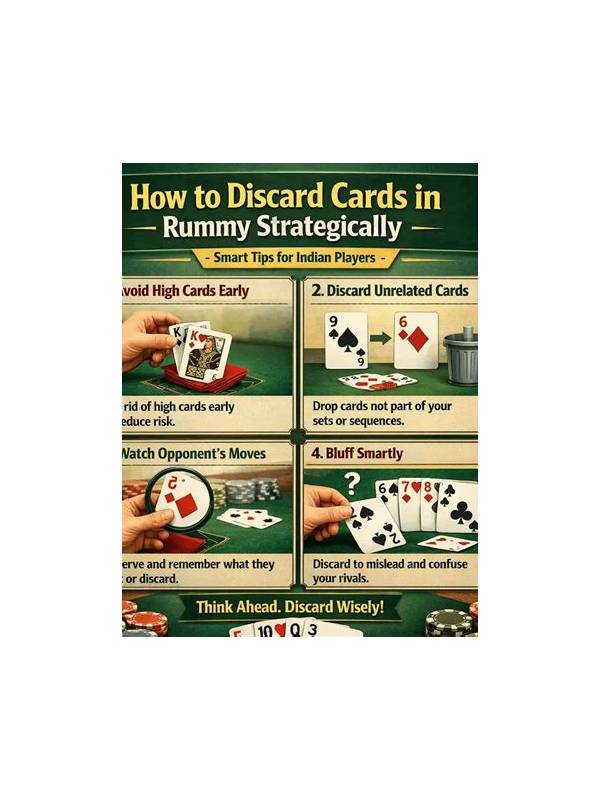
Rummy Guide: Read Discard Patterns Without Guessing Too Much
Use discard patterns as cautious evidence while keeping your own hand decisions independent and disciplined. [...]