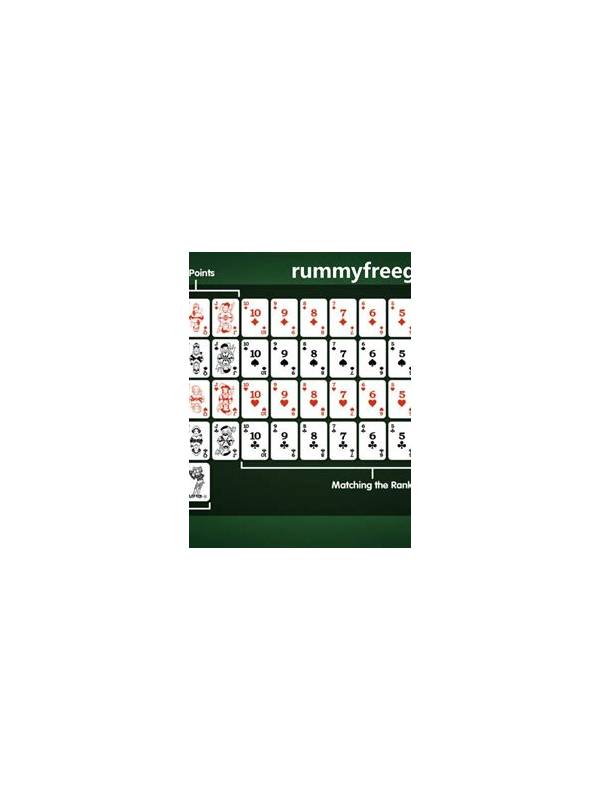
Rummy Comparison: Early Flexibility Versus Late Certainty
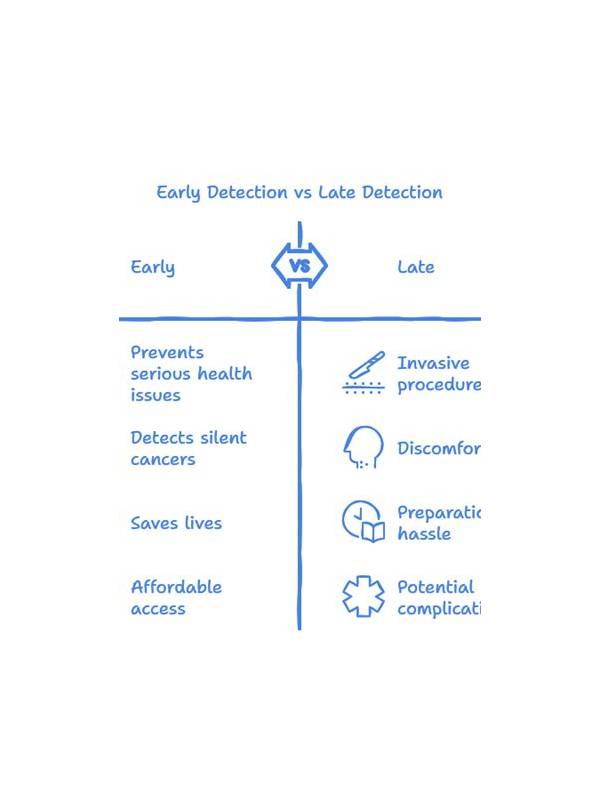
Flexibility and certainty are both valuable, but they do not have equal value at every stage of a rummy hand. Early turns reward cards that can support several plans. Later turns reward structures that are close to complete and unlikely to collapse. Recognizing the shift helps prevent an early habit from becoming a late mistake.
Early in the hand, a middle connector may be worth keeping because it can join several neighboring ranks. An isolated high card may be released even when it has a theoretical place in a future set. At this stage, you have time to learn from new draws and can afford a little uncertainty if the point exposure remains reasonable.
As the hand develops, count the structures that are already stable. Once a pure sequence or other required foundation is secure, protecting it usually matters more than preserving every possible route. A flexible card that requires a complete redesign may be less useful than a modest card that closes a remaining gap.
Late in the hand, evaluate the cost of waiting. Ask how many turns remain in a practical sense, which exact cards are missing, and what happens if they never arrive. A narrow draw can still be correct, but it should be chosen knowingly. Certainty is not simply “the most complete-looking group”; it is a route with a credible completion path and acceptable risk.
Use a transition signal rather than a fixed turn number. The hand may shift toward certainty when one structure is complete, when several useful cards have appeared publicly, or when the remaining cards are high value. At that point, review every flexible holding and ask whether it still earns its space.
This comparison is about timing, not a rigid rule. Strong players preserve options while options are valuable and convert them into finished structures when completion becomes the priority. Review the balance after each meaningful draw, and let the state of the hand—not habit—set the emphasis.
One warning sign is a flexible card that no longer supports any realistic alternative. Its theoretical usefulness may remain high, but its practical usefulness has disappeared. Conversely, a certain-looking group may still be poor if completing it requires breaking the only foundation you have. Review flexibility and certainty together: count actual routes, not imagined ones. This balanced check helps you move from exploration to completion smoothly and avoids the common error of protecting options that have already stopped being options.
Related Post
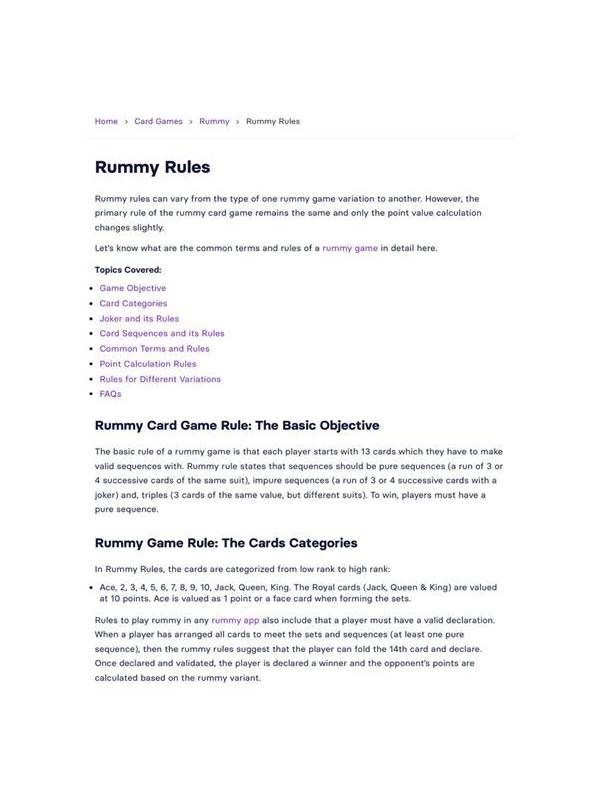
Rummy House Rules: How to Agree Before the Deal
Discussing local variations before a rummy game prevents disagreements that have nothing to do with [...]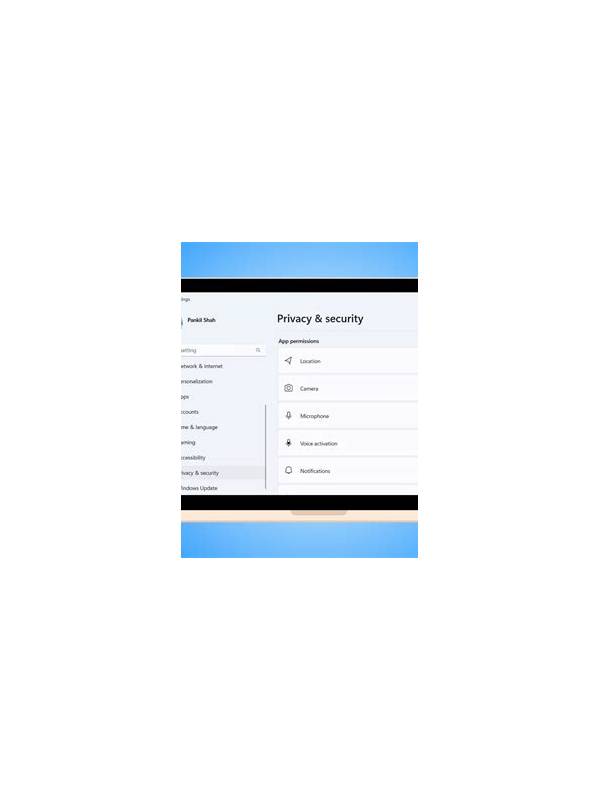
Rummy App Privacy Settings Worth Checking Before Your First Game
Review a few ordinary privacy controls before creating a profile or joining online tables. [...]