Rummy Information Layers: Known, Likely, and Unknown
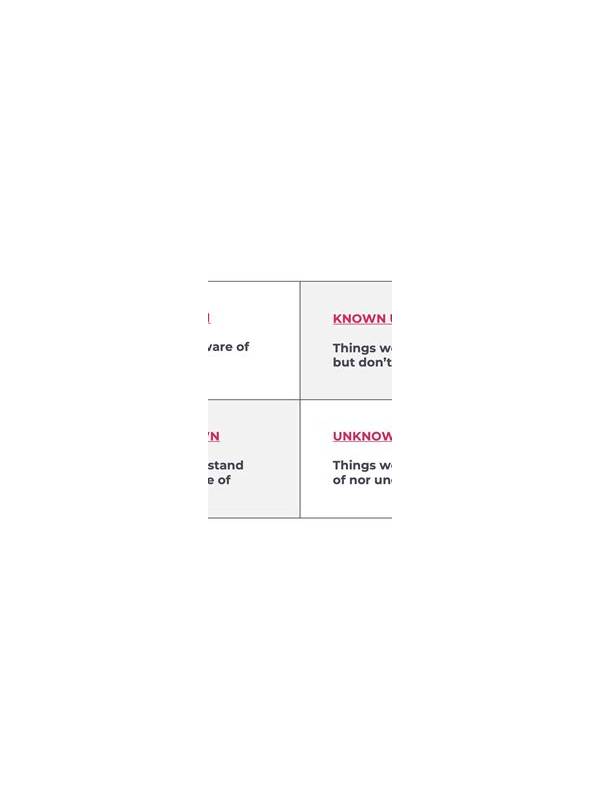
Rummy decisions become unreliable when a possibility quietly turns into a fact. You may see a discarded card and assume another player is not building that suit, or see one useful card and assume the next related card is close. A three-layer information model helps keep those assumptions in proportion: known, likely, and unknown.
Known information is directly visible or confirmed by the rules. It includes the cards in your hand, public discards, the current turn, and the stated scoring method. Known facts deserve the most weight because they can be checked. If an interface shows a completed group or a locked action, treat that display as evidence only after confirming what the variant allows.
Likely information is an interpretation. A player who repeatedly ignores a suit may be less interested in it, but that is not proof. A card picked from the discard pile may suggest a plan, yet it could also be a defensive choice. Likely information can guide attention, but it should not force a conclusion. Phrase it internally as “this may mean” rather than “this means.”
Unknown information includes hidden hands, unseen cards, and future draws. Unknown does not mean impossible to discuss; it means you should account for several outcomes. When a plan depends on one hidden card, identify the dependency rather than describing the plan as secure. This simple wording change makes fragile routes easier to compare.
Apply the layers before choosing between two discards. For each candidate, list one known benefit, one likely interpretation, and one unknown risk. The exercise may take only a few seconds. It can reveal that a discard is attractive only because a guess has been given the same status as a visible fact. In that case, choose the option that remains reasonable across more than one interpretation.
Review the layers after the turn. If a new discard confirms part of your reading, upgrade only that specific observation. Do not let one correct guess validate an entire story. Likewise, if the table contradicts your expectation, downgrade the assumption without treating the result as a personal failure.
This framework does not provide hidden-card knowledge and should not be used to claim certainty. It is a guardrail against overconfidence. By keeping evidence, interpretation, and uncertainty separate, you can make decisions that are easier to explain and easier to improve when the hand is complete.
That discipline is useful away from the table too: it keeps a surprising result from becoming an unsupported story about skill, luck, or another player’s intentions.
Related Post
Rummy How-To: Make a One-Minute Endgame Checklist
Use a short endgame checklist to confirm structure, legality, and timing before a rummy declaration. [...]
Rummy Tips: Separate Card Evidence From Outcome Evidence
Separating what the cards showed from what happened afterward leads to more useful rummy reviews. [...]