Rummy Table Limits: Setting a Session Before You Start
Boundaries work best when they are decided before the first hand creates pressure.
Tell yourself the limit is a condition of starting, not a suggestion to negotiate. This mindset makes stopping ordinary rather than dramatic.
Limits should include a recovery plan for ordinary interruptions. If a call, family task, or urgent message appears, leave the table safely rather than playing while distracted. If the platform has an unfinished-game policy, understand it before starting. Planning for interruptions makes the boundary realistic and removes the temptation to regard an unexpected event as a reason to extend the session later.
A session limit is a practical boundary decided before emotion enters the game. It can cover time, money, number of tables, or the number of hands you will play. Limits do not predict results; they protect your attention and keep entertainment within a chosen plan.
Begin with time. Choose a finish time that leaves room for the rest of your day, then set an alarm outside the game device if possible. Do not begin a long format immediately before work, travel, or sleep. A rushed ending can lead to poor decisions and unnecessary frustration.
If the platform involves money, decide the maximum amount you are willing to lose before joining. Treat it as entertainment spending, not as income or a recovery fund. Never borrow, use essential household money, or increase the limit because a session is going badly. A limit works only when it cannot be renegotiated in the moment.
Set a concentration rule too. Playing while driving, working, caring for someone, or feeling unusually tired is unsafe and unfair to others. Close the table when your attention drops. You can return another day with better focus.
Make the limit visible. Write the finish time and budget in a note, and use platform tools such as deposit limits or reminders when available. Keep payment security separate from gameplay: do not follow urgent links in chat, and confirm account activity through official settings.
At the end, stop even if the result is positive. Winning can create the same pressure to continue as losing, especially when a player wants to repeat the feeling. Record a short review and leave the table according to the original plan.
A controlled session is easier to enjoy and easier to evaluate. Decide the boundaries in advance, use available tools, and treat any attempt to move the goalposts as a signal to stop.
Related Post
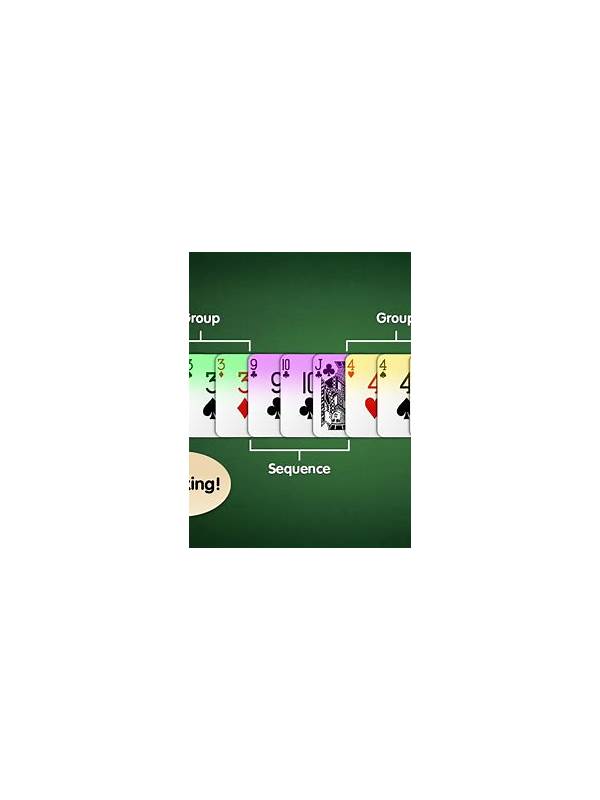
How to Use a Rummy Hand Diagram to Explain Every Turn
A simple hand diagram can make rummy decisions easier to review, teach, and remember. [...]
Rummy Safety: Spot Pressure Tactics in Game Promotions
Recognizing urgency and unclear conditions can help players evaluate promotions without being rushed. [...]