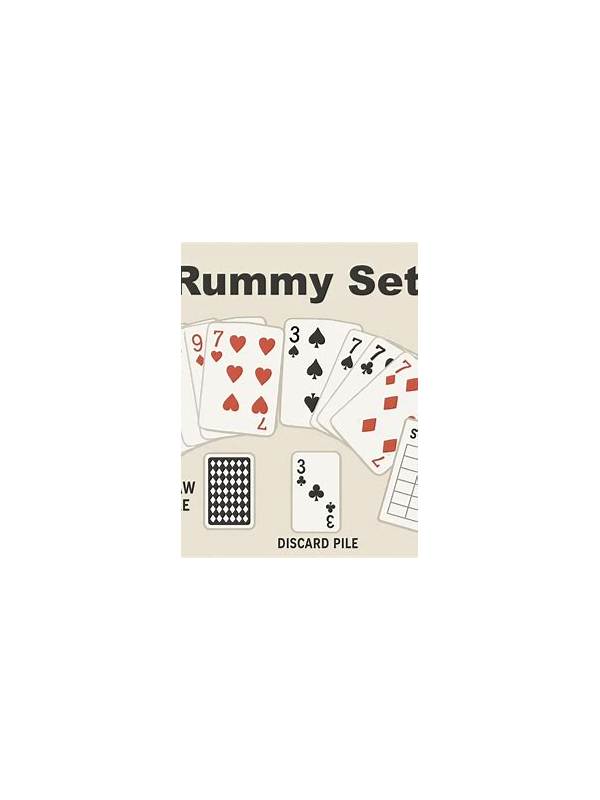
What to Do When a Rummy Rule Looks Unclear
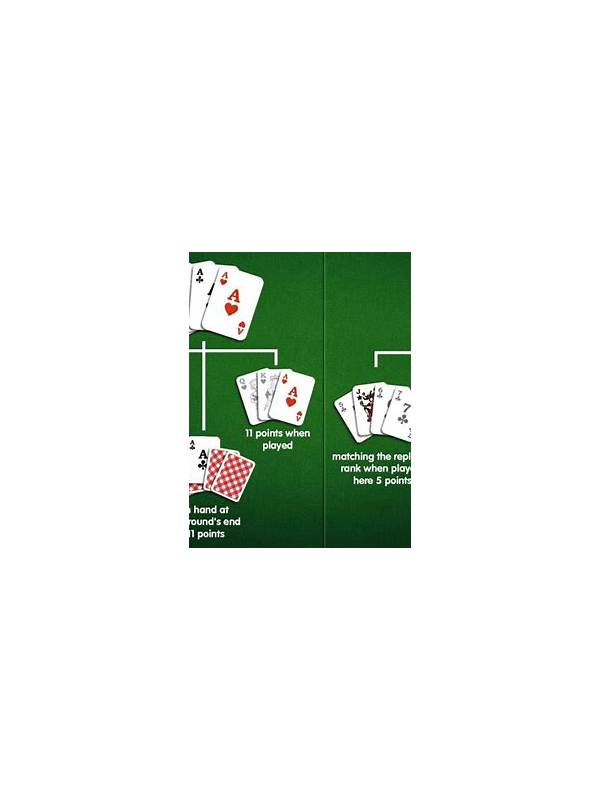
Rule uncertainty should trigger verification before it triggers action.
When the answer matters, save the exact rule for later reference.
A written answer can also help you explain the issue to support later, because it preserves the exact wording and format instead of relying on memory.
Do not let a confident opponent’s explanation replace verification. Players can remember a rule from another variant or misunderstand an interface label. A neutral source and the table’s displayed conditions are stronger evidence. If no answer is available, record the situation and avoid making a high-risk declaration. Returning with a confirmed rule is better than learning from an avoidable penalty.
Rules can differ between rummy formats and platforms, especially around jokers, declarations, scoring, and time limits. Guessing is risky when a decision depends on a detail you cannot recall. Use a reliable process to resolve uncertainty.
First, pause before acting if the table allows it. Identify the exact question in one sentence. “Can this joker complete a pure sequence?” is more useful than “How does this game work?” A precise question points you toward the relevant rule and prevents unrelated advice from confusing the issue.
Next, read the table’s own rules or help panel. Prefer the current platform wording over a general article because the local format may have special conditions. Check whether the rule applies to the game type you joined; points, pool, and deals formats can present different scoring details.
If the help text is unclear, use the official support channel and keep a record of the response. Do not rely on an anonymous message promising a favorable interpretation. If real money or account access is involved, avoid sharing passwords, one-time codes, or unnecessary identity information.
During a live hand, choose the action that creates the least irreversible risk. A short delay or conservative discard may be better than an uncertain declaration. If the situation cannot be resolved fairly, leave according to the platform’s stated process and report the question with the table details.
Afterward, add the answer to a personal rule note with the format and date. Rules can change, so treat the note as a memory aid rather than permanent authority. Review it when joining a different table.
Uncertainty is a reason to verify, not improvise. Ask a precise question, use the current official rules, protect account information, and choose low-risk actions while checking. This process turns confusion into a manageable part of learning.
Related Post
Rummy Table Selection: Matching Session Length to Your Available Time
Choose a table and format that fit your available time so you can finish without [...]
Rummy FAQ: Should You Keep a Card for Information?
A card can have informational value, but that benefit should be compared with its points, [...]