Rummy Guide: Plan the Turn After a Successful Meld
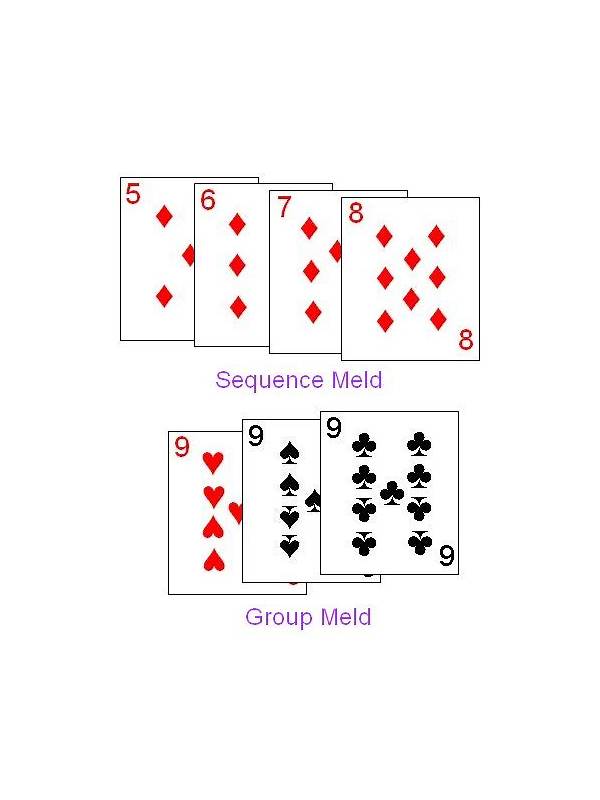
Completing a meld feels like a clear success, but it can create a new decision problem. The cards left in your hand may now be unbalanced, and a route that mattered before may no longer be worth protecting. Planning the turn after a successful meld keeps relief from turning into automatic play.
First, mentally remove the completed meld from the active puzzle. Look only at the cards that remain. Which ones are already connected? Which ones became isolated because the meld used a bridge? This reset prevents you from continuing to value cards for a role they no longer have.
Next, identify the cleanest remaining route. You may have a pair, a short sequence, or several loose cards. Choose one route to develop and one candidate to release. If the remaining hand is already close to completion, a conservative plan may be best. If it is scattered, prioritize reducing the most expensive or least replaceable card.
Check the table before drawing again. A successful meld may have changed what opponents can infer, and public discards may have altered the availability of your next companions. Do not assume that the card that helped the completed meld will continue to be useful. Evaluate it by its new position, not by its history.
Set a fresh review point. For a strong pair, allow a turn to find a companion. For a weak isolated card, place it near the top of the discard ladder. If the next draw does not improve the route, be willing to change direction. The completed meld has already delivered its value; you do not need to force the rest of the hand to resemble it.
Finally, check whether your scoring or declaration conditions create a special priority. Some rules reward speed, while others make leftover cards costly. A successful meld is progress, not permission to stop evaluating. Reset the hand, choose a new route, and let the next turn be guided by current evidence. You can make this reset part of a spoken or written routine: “meld complete, leftovers only.” That phrase marks the transition and prevents the previous plan from carrying over automatically. It is particularly helpful after a lucky completion, when confidence may encourage careless draws, or after a difficult completion, when fatigue may encourage passive play. A fresh assessment does not erase progress; it converts that progress into a clearer position for the next decision. Give yourself a few seconds for the reset, especially when the interface visually celebrates the meld. A brief pause lets you arrange the remaining cards and notice whether the new shape has a pair, a sequence, or only loose material. Then choose the next draw with the same care you used before the meld. Progress is most useful when it improves the quality of the next decision.
Related Post
Rummy Safety Guide: Set a Stop Rule Before You Start
A precommitted stop rule helps keep a recreational rummy session within comfortable limits. [...]
Rummy FAQ: Can Two Players Read the Same Discard?
The same visible discard can support different conclusions for different players because hand structure and [...]