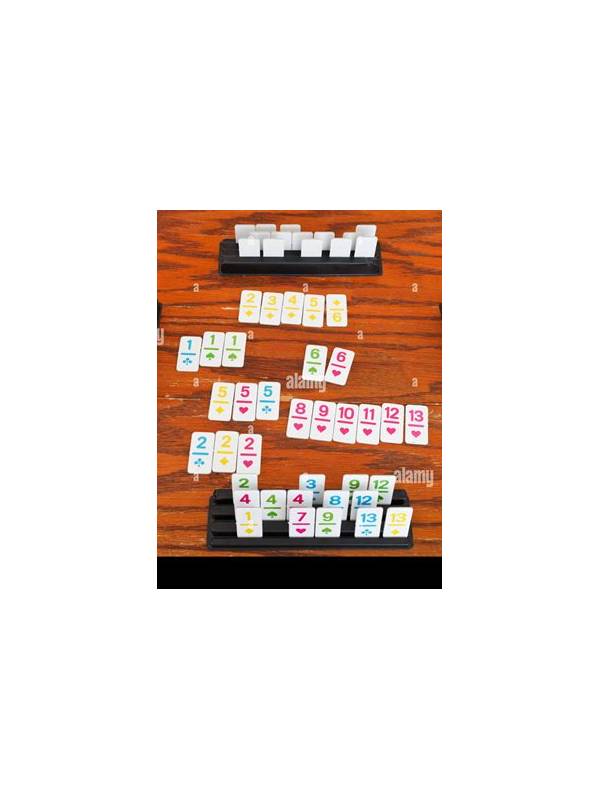
Rummy FAQ: Does a Completed Meld Always Stay Useful?
A completed meld feels like a finished task, so players may stop evaluating it. In most rummy formats, a legal meld is an important foundation, but it is not automatically the best permanent use of those cards. The answer depends on the rules, the rest of the hand, and how close you are to a legal declaration.
First, confirm whether rearrangement is allowed. Some formats let players reorganize cards freely before declaring, while others use stricter placement or declaration rules. If a meld is already part of a valid required structure, breaking it may create a new problem. Never trade a confirmed legal requirement for a speculative improvement without checking the applicable rules.
When rearrangement is permitted, examine what the meld prevents. A set may contain a card that would complete a more valuable or necessary sequence with another card in your hand. A run may use a flexible middle card that could connect two groups. The question is not whether the existing meld is good; it is whether another legal arrangement makes the entire hand easier to finish.
Timing changes the answer. Early in a hand, a completed meld can provide a stable anchor while you explore the remaining cards. Near the end, a rearrangement may be worthwhile if it creates the required pure sequence or reduces the number of loose cards. However, late changes carry more risk because there may be fewer turns to repair a mistake. Count the unresolved requirements before touching a completed group.
Also consider information. Keeping a known meld can make your hand easier to track and reduce mental errors. Constantly rebuilding structures because another arrangement looks elegant may increase confusion. A small theoretical gain is not useful if it makes you more likely to misread suits, ranks, or the declaration requirement.
A practical answer is: no, a completed meld does not always remain the best arrangement, but it should earn a high presumption of protection. Reconsider it only when you can name the new legal structure, the requirement it solves, and the risk it introduces. If you cannot explain those three points, keep the meld and evaluate the loose cards instead.
This principle also helps during a review. Mark the moment you first completed the meld and the moment you considered breaking it. If the group remained useful throughout, it was a sound anchor. If it became restrictive, note which new information changed its value. That record is more informative than a general rule saying never break a meld or always chase a better arrangement.
Related Post

Rummy Safety: Keep a Session Budget Separate From Daily Spending
Separating a game-session limit from ordinary daily money helps keep play contained and easier to [...]
Rummy Comparison: Paper Notes or In-App History
Paper notes and digital history serve different review needs, so the best choice depends on [...]