Rummy Comparison: One Strong Route Versus Two Medium Routes
A common rummy decision is whether to commit to one promising route or keep two medium-strength routes alive. Concentrating on one plan can produce a clean finish, while diversification can protect you when the needed card does not arrive. Neither approach is always correct; the better choice depends on support, timing, and the cost of waiting.
Measure the strength of each route by its realistic improvements. A route is not strong merely because it is one card away. Identify how many cards complete it, whether those cards are compatible with the rules, and whether they are still plausibly available. A two-card plan with several acceptable improvements may be healthier than a one-card plan with only one precise answer.
Now measure the cost of keeping alternatives. Two medium routes are useful when their cards overlap in a helpful way. A flexible card may support both possibilities, allowing one draw to decide the direction. Alternatives are less useful when they require separate collections of high-value or awkward cards. In that case, diversification may simply be postponing a discard.
Timing is the most important comparison. Early turns favor options because new information can change the best route. Later turns favor commitment when one route has a clear completion path and the alternative is still vague. Set a review point rather than waiting indefinitely. For example, after the next draw, decide whether the second route still has enough support to justify its cost.
The discard pile and other visible information also matter. If several cards that complete one route have appeared, its strength may be lower than it looked. If a route remains supported by cards you have not seen, it may deserve another turn, but unseen does not mean guaranteed. Keep the distinction between possibility and evidence clear.
Use a simple comparison table in your notes: completion cards, cards already visible, cards held for the route, and cost to the rest of the hand. Choose one strong route when it has broad support and a modest opportunity cost. Keep two medium routes when they share flexible cards and the hand still has time. The goal is not maximum complexity; it is a plan that can survive the next piece of information.
Avoid treating the comparison as a contest between certainty and chaos. A strong route can still fail, and two medium routes can still create clutter. The useful question is how each choice behaves when the next draw is unhelpful. A route that leaves a reasonable fallback may be stronger than one that looks excellent only under a single favorable outcome. Resilience is part of route quality.
Related Post

Rummy Guide: Use a Three-Question Turn Check
Three repeatable questions can keep a rummy turn focused on legality, improvement, and risk. [...]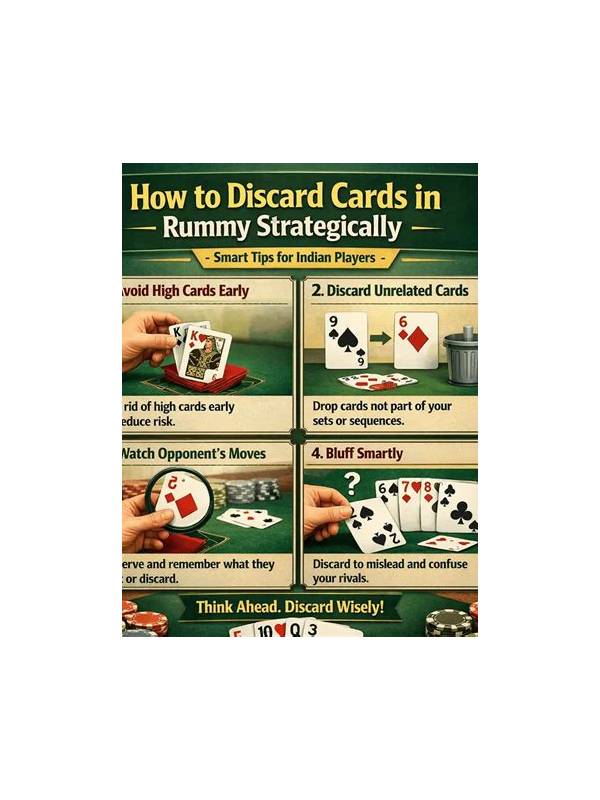
Rummy Tips: Rehearse the Next Discard
A brief rehearsal of the next discard reduces hesitation and keeps a useful draw from [...]