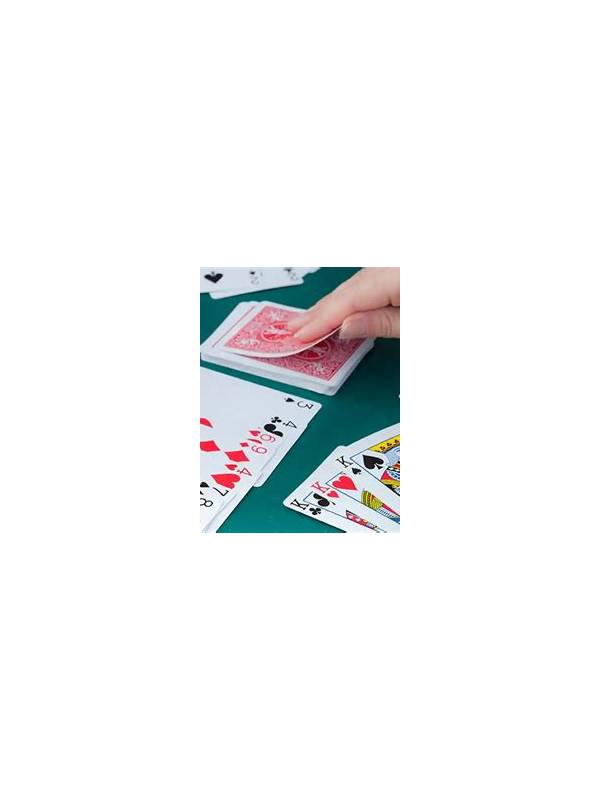
Rummy How-To: Build a Clean Opening Inventory

The first few seconds of a rummy hand often determine how clearly you will think through the rest of it. A useful opening inventory is not a prediction of the winner. It is a short, repeatable description of what your cards can do right now.
Start by separating cards into three temporary groups: cards already close to a sequence, cards that could join more than one group, and cards with no visible connection. Do not decide that the third group is worthless immediately. An isolated card may become useful if a later draw creates a bridge, while a seemingly attractive pair may be difficult to complete.
Next, mark your strongest current structure. A consecutive same-suit group is usually easier to evaluate than a pair because it shows a clearer route, but its value still depends on the rules of the format. If a group is nearly complete, note the missing ranks and whether more than one card could fill the gap. Flexible gaps deserve attention because they give you more than one future draw to work with.
Then identify cards that appear in two possible plans. A middle card may extend a sequence on either side, or it may belong to a different same-suit route. Keep these cards visible rather than burying them in a sorted hand. They are decision points, not commitments.
Finally, count the cards that would need to change before your hand becomes legal. This count is more useful than simply counting pairs. A hand with two pairs may need several unrelated improvements, while a hand with one incomplete sequence might be one draw away from a strong foundation.
Repeat the inventory after each meaningful draw. The purpose is to notice change, not to defend your first impression. If a card creates a clearer route, let the old plan lose priority. If no route improves after several turns, give yourself a firm review point and choose a discard based on evidence rather than hope.
An opening inventory takes less than a minute with practice. It keeps the hand concrete, makes your next action easier to explain, and gives you a useful record for reviewing the decision later.
Use the same order every time so the process does not depend on mood. Sorting the cards, naming the foundation, and counting unresolved needs creates a stable baseline. You can then spend your attention on the unusual feature of the hand instead of rebuilding your method from scratch.
Related Post

Rummy FAQ: Why Do Unfinished Groups Compete?
Unfinished groups compete when they depend on overlapping cards, shared hand space, or the same [...]
Rummy Tips: Use Suit Diversity to Preserve Options
A balanced view of suits can keep early hands flexible while you wait for stronger [...]