Rummy Tips: Use the Discard Pile Without Revealing Your Plan
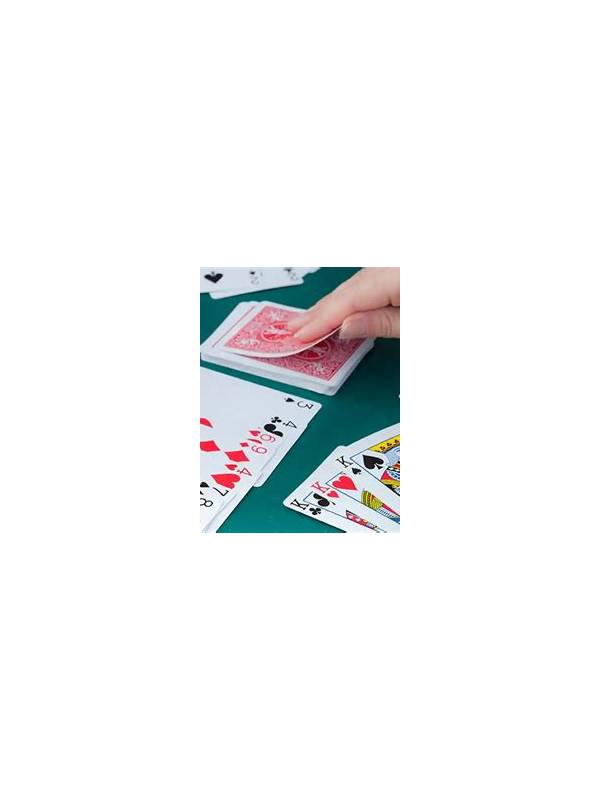
The discard pile is useful evidence, but treating every visible card as a message can make your play predictable. A better approach is to use the pile in two separate ways: learn what may be less available, and choose discards that do not unnecessarily explain your intended route.
First, scan for repeated patterns rather than isolated cards. Several cards from one suit may suggest that a sequence route is contested, but a single card proves very little. A rank that appears more than once can also change the value of a set plan. Keep observations modest: “this route may be less likely” is safer than “that card is impossible.”
Second, notice what players refuse to take. A card left in the pile is not automatically unwanted. It may have been missed, rejected for safety, or ignored because another draw was more urgent. Use refusal as a weak clue that becomes stronger only when it matches other evidence, such as a player repeatedly discarding neighboring ranks from the same suit.
When choosing your own discard, compare two questions. Which card is least useful to your hand? Which card gives the next player the clearest improvement? Sometimes the answers identify the same card. If they do not, prefer the discard that protects your structure while avoiding a direct gift. Avoid theatrical discards that sacrifice your hand merely to hide a plan.
You can reduce information leakage by varying your decision process. Do not always discard the most obvious loose card if a similarly weak card has a lower chance of helping an opponent. Do not always take a visible card when it completes your favorite route; occasionally the draw pile offers better flexibility. Your goal is consistency in reasoning, not a fixed outward pattern.
Keep a private three-line note after important turns: what the pile suggested, what remained uncertain, and what you chose to protect. This stops one dramatic discard from dominating your read. At the end of the hand, check which clues were accurate and which were assumptions. Over time, you will learn to extract information without overclaiming certainty or advertising every plan through your discard choices.
Remember that table information is probabilistic. A card’s absence may reflect another player’s hand, a different priority, or simple chance. Use the pile to narrow choices, not to manufacture certainty. The strongest read is usually one that agrees with several independent clues and still leaves you a safe fallback when the read is wrong.
Related Post
Rummy FAQ: Can You Improve by Watching Without Playing?
Watching rummy can build observation skills when you use an active note method instead of [...]
Rummy Comparison: Rank Value Versus Connection Value
A card’s rank affects points, while its connections affect structure, and good decisions compare both [...]