Rummy How-To: Create a Decision Tree for a Pair
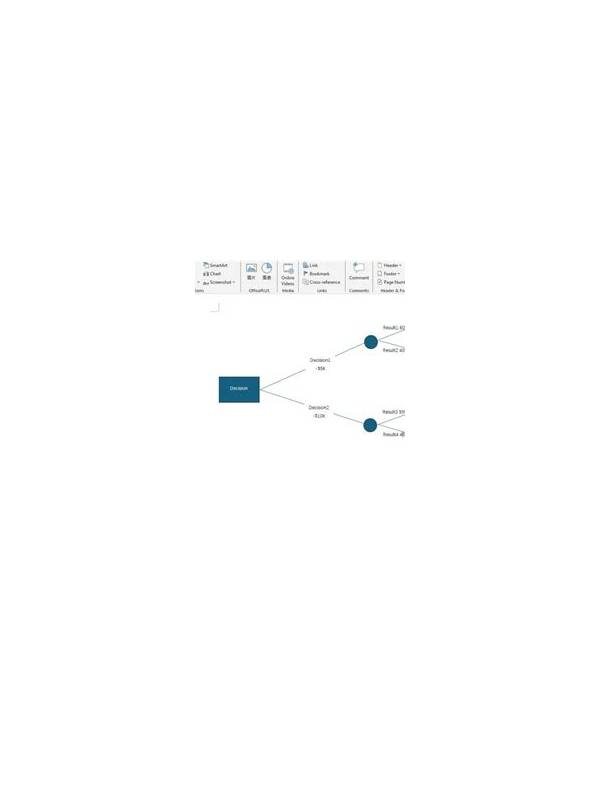
A pair can be useful, but it can also occupy space while offering no clear route. Instead of keeping every pair by instinct, build a small decision tree with three branches: a direct extension, a second matching card, or release.
First ask whether either card already supports a sequence. If one card can join a near run and the other cannot, the sequence route may be stronger than treating the cards as a pair. If both have meaningful sequence roles, record those roles before deciding that the pair is the main plan.
If the pair has no sequence value, ask what exact card would improve it. One matching rank may create a useful group, but the value depends on the rules and on what other structures the final hand requires. Avoid treating a pair as complete progress when it still needs an additional legal relationship.
Now set a review point. You might allow the pair one more turn if it is not blocking a stronger route and if several credible improvements remain. If the next draw does not support it, release the weaker card or the whole pair according to the damage each discard would cause.
The tree should also include an information branch. If visible discards make the needed card less likely or show that an opponent may value the pair’s rank, update the plan. This does not mean keeping the pair forever to deny another player; it means including evidence in the comparison.
A pair is easiest to manage when its role is explicit. Write “pair for group,” “pair supporting sequence,” or “pair with no route.” Review that label after every new card. The decision tree turns a vague attachment into a time-limited experiment and leaves room for a better structure to emerge.
The review point can be based on turns rather than a clock, which keeps it simple during play. For instance, decide that the pair receives one further draw unless it blocks a completed requirement. The exact rule is less important than choosing it before disappointment makes the pair feel more valuable than it is.
When releasing the pair, compare the two cards separately if they have different sequence roles. Keeping one card for a short, credible route may be reasonable even when the matching pair is abandoned. This prevents an all-or-nothing reaction from discarding useful structure along with the failed idea.
The goal is a deliberate release, not a dramatic reset.
Related Post
Rummy Safety: Set a Recovery Plan Before Technical Problems
A simple recovery plan reduces rushed choices when a connection, device, or application problem interrupts [...]
Rummy FAQ: Does a Fast Start Always Matter?
A fast opening can help, but its value depends on flexibility, risk, and the rules [...]