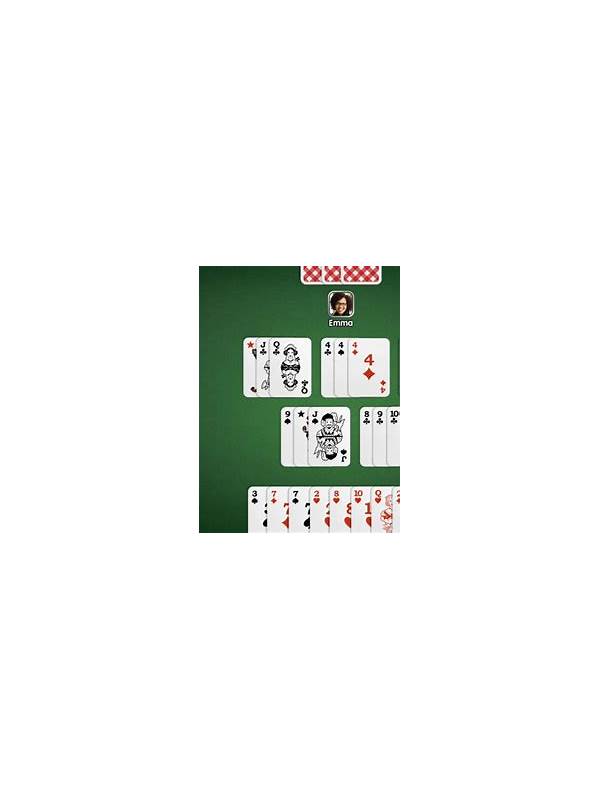
Rummy FAQ: Does a Fast Start Always Matter?

A fast start feels reassuring because early groups make a hand look organized. However, speed alone does not determine whether an opening is strong. A quick group that blocks better combinations or leaves costly loose cards can be less useful than a slower but flexible arrangement.
The first question is what the opening accomplishes. Does it create a required pure sequence, reduce high-value cards, or simply place cards together because they look related? In formats with a minimum declaration requirement, satisfying that requirement may be more important than building several attractive partial groups. In other formats, reducing points may deserve earlier attention.
The second question is flexibility. A group made from cards that have only one possible role may be stable but restrictive. A connector that can join two routes may be more valuable while the hand is still uncertain. Do not preserve every flexible card forever; use it when the benefit of fixing a structure exceeds the value of waiting.
The third question is exposure. If a quick group encourages you to discard cards that repeatedly help an opponent, the apparent progress can be misleading. Review recent discards and the opponent’s pickups before assuming that a fast opening has created an advantage.
A practical approach is to set an opening checkpoint after a few turns. Identify completed requirements, remaining loose cards, and the number of specific draws needed for your best route. If the hand is improving with broad options, continue. If the fast start has produced a narrow plan, keep a backup route or release the weak commitment.
A fast start matters when it reduces risk without sacrificing future choices. It does not matter merely because the cards can be grouped quickly. Treat speed as one measurement alongside validity, flexibility, point exposure, and the information visible at the table. That balanced view prevents a neat-looking opening from controlling the rest of the hand.
Speed can be format-dependent. In a points game, reducing loose high cards may matter early. In a longer contest, preserving a route for later decisions may be more valuable than visual improvement. If you feel attached to an early group, imagine it removed and inspect the remaining hand. Keep it when it is useful, but rebuild when new information makes another structure safer.
An opening is also a communication signal to yourself. Label it as “valid,” “promising,” or “temporary” instead of simply “good.” That wording keeps the plan open to revision. A temporary group can still be useful, but it should not receive the protection reserved for a confirmed requirement. Clear labels make speed and quality easier to balance.
Related Post

Rummy How-To: Build a Fresh-Draw Decision Routine
Use a repeatable four-step routine to evaluate every new card without rushing into a new [...]
Rummy Review Timing: Separate Immediate Notes From Later Analysis
Use two stages of review to preserve factual rummy observations without overreacting to a result. [...]