Deals Rummy Planning: Use Each Deal as a Fresh Decision

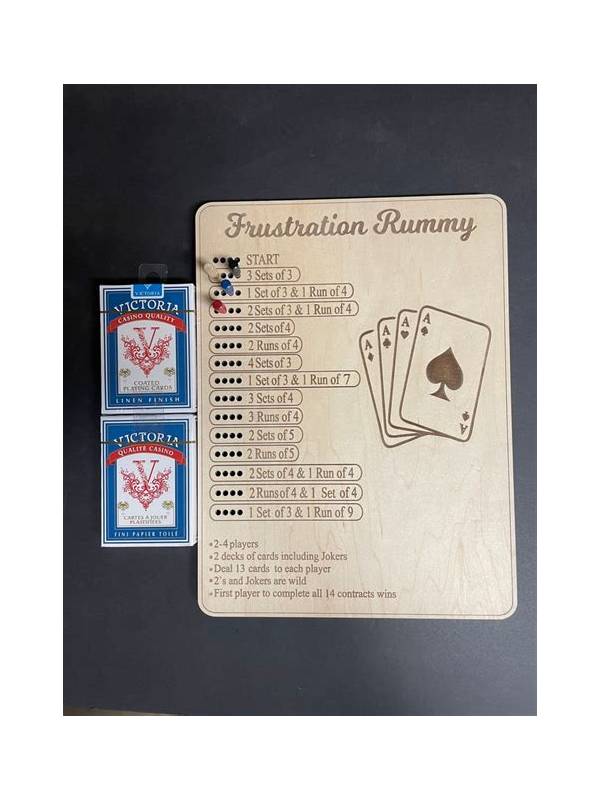
Deals rummy changes the rhythm of a session because players receive a fixed number of deals and the final result reflects their performance across them. The format rewards consistency, but it does not make an early result a prediction of the ending. A fresh review at the start of each deal is essential.
Before the first deal, read the number of hands, scoring system, and tie or exit rules. Understand whether a player can recover from a high score and how the final settlement is calculated. Set a session limit independently of the format; a longer match should not quietly become permission to spend more.
When a new deal arrives, sort the hand and find the required pure sequence before thinking about the previous score. A player who is behind may be tempted to chase a dramatic combination, while a player ahead may become too passive. Both reactions can distort ordinary card decisions. Use the current hand’s structure and the visible discards as evidence.
Between deals, take a short reset. Record the score, note one decision worth reviewing, and clear the rest of the emotion from the table. Do not increase the entry or extend the session solely to repair a disappointing deal. If the format includes a fixed total number of deals, the correct response to a setback is a clearer process, not a larger risk.
In the final deal, check the rules about declarations and settlement especially carefully. Excitement can cause players to overlook a group requirement or misread the score display. A deliberate final review is more valuable than trying to force a perfect ending.
Deals rummy rewards attention across time, but each hand still presents its own puzzle. Keeping those two perspectives together—fresh decisions and an overall score—helps players stay adaptable and measured. Do not confuse a strong deal with a guaranteed match result. Cards are newly distributed, and other players’ choices remain unknown. A sensible plan can still produce an unfavorable score. Record the decision process instead of only the outcome: what combinations were visible, which cards were held, and why the discard was selected. Over several deals, this record is more useful than trying to copy one memorable win. It also gives you a natural stopping point for review when the planned match is complete. If a score display is difficult to interpret, ask for the written calculation before the next deal. A clear score is more useful than trying to infer the standings from a colored badge or a prize animation. Understanding the running total also helps you decide when the planned match is finished.
Related Post

Rummy Tips: Use a Two-Layer Discard Review
Review every discard for both immediate hand value and future table risk. [...]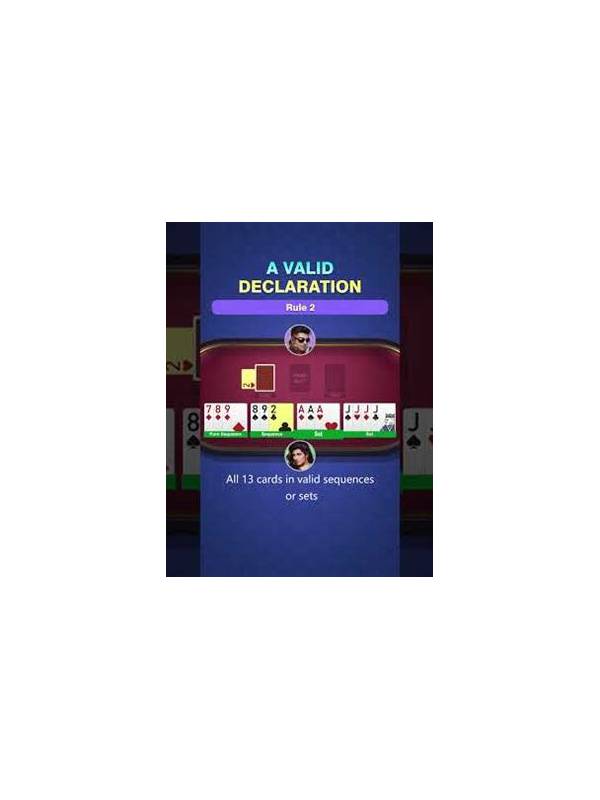
Rummy FAQ: What Makes a Declaration Valid?
A pre-declaration checklist explains the common structural conditions behind a valid rummy declaration. [...]